Court Establishes Critical Deadlines for Nurse Assist Infection Litigation
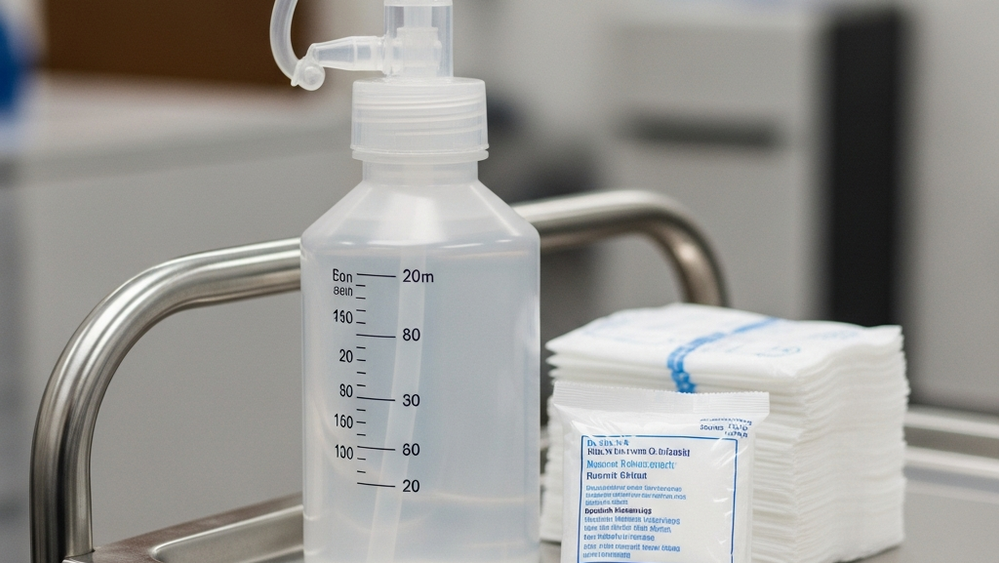
Nurse Assist, LLC is facing increasing legal scrutiny following the widespread recall of its saline and sterile water products due to potential contamination risks. According to recent reports, a federal court has now outlined a formal schedule to prepare these infection-related lawsuits for trial. This development is crucial for plaintiffs who allege they suffered severe bacterial infections after being exposed to non-sterile medical supplies. The litigation highlights a significant failure in the manufacturing process that allowed pathogens to enter products meant for wound care and irrigation. As the court moves forward with discovery and expert testimony, victims are getting closer to seeing their day in court and seeking accountability for their injuries.
Affected by a Product Liability Issue?
Our specialized tool can help you estimate the potential worth of your case based on current laws and precedents.
Identifying Parties Responsible for Contaminated Medical Products
Determining liability in a medical product case involves examining the manufacturer's failure to maintain a sterile environment and meet strict safety standards. In many instances, hospital negligence may also play a role if the facility failed to identify recalled products or maintained poor infection control protocols. Legal experts argue that manufacturers are strictly liable for defects that make a product unreasonably dangerous to the consumer. If it can be proven that Nurse Assist knew or should have known about the sterility issues, the potential for punitive damages increases significantly. Attorneys are currently investigating the chain of custody and quality control records to build a strong case for the injured parties against all responsible entities.
Crucial Steps for Victims of Healthcare-Acquired Infections
If you suspect you have been harmed by a contaminated medical product, the first step is to seek an immediate medical evaluation to treat the underlying infection. You should keep all documentation related to your treatment, including records of any irrigation or wound care procedures where Nurse Assist products might have been used. Understanding the nuances of pharmaceutical liability can help you realize that you are not alone in this fight against large corporations that prioritize speed over safety. It is also vital to preserve any packaging or product remnants if they are in your possession, though this is often difficult in a clinical setting. Finally, contacting a specialized legal team can help you navigate the complexities of filing a claim before the statute of limitations expires.
[Potential Settlement Values](https://casevalue.law/calculator/product-liability) and Financial Recovery Options
Compensation in these cases is often substantial because bacterial infections can lead to sepsis, permanent scarring, or prolonged hospital stays. Victims may seek damages for past and future medical expenses, lost wages due to recovery time, and non-economic damages like pain and suffering. Similar to the Bard PowerPort infection lawsuit, the value of each individual claim depends heavily on the severity of the injury and the long-term impact on the victim's health. In cases of extreme negligence, juries may also award damages to punish the manufacturer and deter future safety violations. Using a digital case evaluator tool can provide a preliminary estimate of what your specific situation might be worth based on current legal trends.
Legal Standards for Medical Product Sterility and Safety
The legal framework for these lawsuits generally falls under product liability and sometimes overlaps with surgical never events if the infection occurred during a specific procedure. Plaintiffs must typically prove that the product was defective when it left the manufacturer's control and that this defect directly caused their injury. State-specific laws vary, but many jurisdictions allow for strict liability, meaning you do not necessarily have to prove the manufacturer was "negligent" in the traditional sense. It is also important to consider the statute of limitations, which dictates how long you have to file a lawsuit after discovering the harm. Navigating these rules requires a deep understanding of both state and federal regulations regarding medical devices and sterile products.
Discover the Potential Value of Your Legal Claim
Pursuing justice against a medical manufacturer can be a daunting process, but you do not have to handle it by yourself. Our team is dedicated to helping victims of contaminated medical products understand their legal options and the potential value of their claims. By using our free case evaluation tool, you can get a clearer picture of your standing in just a few minutes. Whether you are dealing with the aftermath of a severe infection or are worried about future complications, taking action now is the best way to protect your rights. Don't let a corporation's negligence dictate your future; find out what your case is worth today and take the first step toward recovery.
Disclaimer: This blog post is for informational purposes only and does not constitute legal advice. For specific legal guidance regarding your situation, please consult with a qualified attorney.