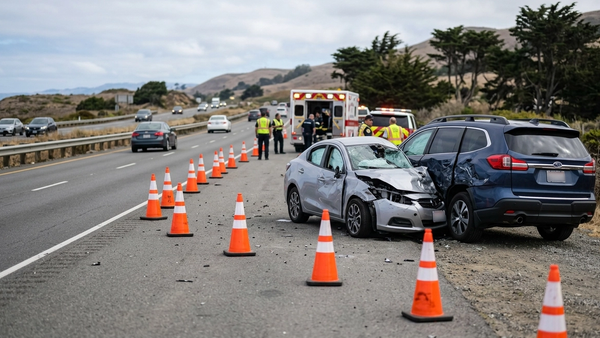
Hyundai Faces Legal Action After Catastrophic Seat Failure During Collision
A recently filed lawsuit against Hyundai highlights the devastating consequences of automotive component failure, specifically alleging that a seat collapse during a rear-end collision led to a permanent spinal cord injury. According to recent reports, the plaintiff was struck from behind while stopped, a scenario where vehicle seats are supposed to provide critical support and protection. Instead of remaining upright, the seat allegedly failed and collapsed backward, throwing the occupant into a position that caused severe neurological and physical damage. This case brings renewed scrutiny to the crashworthiness of certain Hyundai models and whether the manufacturer ignored known risks in their seat designs. For the victim, the result is a life-altering injury that requires extensive medical intervention and long-term care.
Affected by a Motor Vehicle Issue?
Our specialized tool can help you estimate the potential worth of your case based on current laws and precedents.
Determining Liability in Automotive Product Defect Cases
When a vehicle's safety system fails during a crash, legal liability often shifts from the driver who caused the initial impact to the manufacturer of the vehicle. In this instance, legal experts are looking at enhanced injury theories, which argue that while the collision itself was an accident, the severity of the injury was significantly worsened by a product defect. Hyundai may be held liable if it is proven that the seat was designed with insufficient strength to withstand standard rear-impact forces or if a manufacturing flaw weakened the seat's structural integrity. Attorneys will likely examine internal testing data and historical crash reports to determine if the company was aware of these potential failures before the vehicle reached consumers. If a defect is established, the manufacturer could be responsible for all damages resulting from the seat's failure, independent of the fault of the other driver.
Vital Steps to Preserve Evidence Following a Vehicle Seat Collapse
After a catastrophic seat failure, your first priority must always be immediate and thorough medical evaluation to document the full extent of your injuries. Once stable, it is critical to prevent the vehicle from being repaired or salvaged, as the car itself is the most important piece of evidence in a product liability claim. You should follow our ultimate car accident injuries guide to ensure every symptom is professionally recorded for future litigation. Additionally, avoid giving recorded statements to insurance providers without legal counsel, as detailed in our insurance negotiation playbook. Taking these proactive steps helps build a strong foundation for your legal team to prove the seat's failure directly caused your trauma.
Evaluating Compensation for Life-Altering Spinal Cord Damage
The compensation sought in a spinal injury lawsuit typically covers a broad range of economic and non-economic damages designed to make the victim whole. Economic damages include the immediate costs of emergency surgery and hospitalization, as well as the projected costs of lifelong physical therapy, home modifications, and specialized medical equipment. Because spinal injuries often prevent victims from returning to their previous professions, claims also frequently include significant amounts for lost wages and the loss of future earning capacity. Non-economic damages address the intangible but profound impacts of the injury, such as physical pain, emotional suffering, and the loss of enjoyment of life. In cases where a manufacturer's conduct is found to be particularly egregious, a jury might also award punitive damages to deter future negligence.
Navigating the Complexities of Product Liability and Safety Standards
Cases involving defective vehicle components fall under the broad umbrella of product liability law, which holds manufacturers accountable for design flaws, manufacturing errors, or failures to warn. These legal theories are similar to those seen in other high-profile automotive defect cases, such as the Michelin tire lawsuit verdict, where a manufacturer was found liable for catastrophic failures. To succeed in such a claim, plaintiffs must generally prove that the product was unreasonably dangerous and that the defect was the proximate cause of the injury. Each state has specific statutes of limitations that dictate how long a victim has to file a lawsuit, making it essential to act quickly before legal deadlines expire. Furthermore, federal safety standards set by the NHTSA serve as a baseline, but meeting these standards does not necessarily insulate a manufacturer from liability if a safer design was feasible.
Calculate the Potential Value of Your Injury Claim Today
If you or a loved one has suffered an injury due to a vehicle component failure or any other accident, you deserve to know the true worth of your legal claim. Our specialized calculator is designed to help victims understand the potential settlement value based on the specifics of their situation, including medical expenses and long-term needs. Do not navigate the complexities of a major corporation's legal team alone when you can get an immediate estimate of what you are owed. Taking this first step allows you to move forward with confidence and the information necessary to protect your family's financial future. Visit our free case evaluator today to see how much your case could be worth and start your journey toward the justice you deserve.
Disclaimer: This blog post is for informational purposes only and does not constitute legal advice. For specific legal guidance regarding your situation, please consult with a qualified attorney.