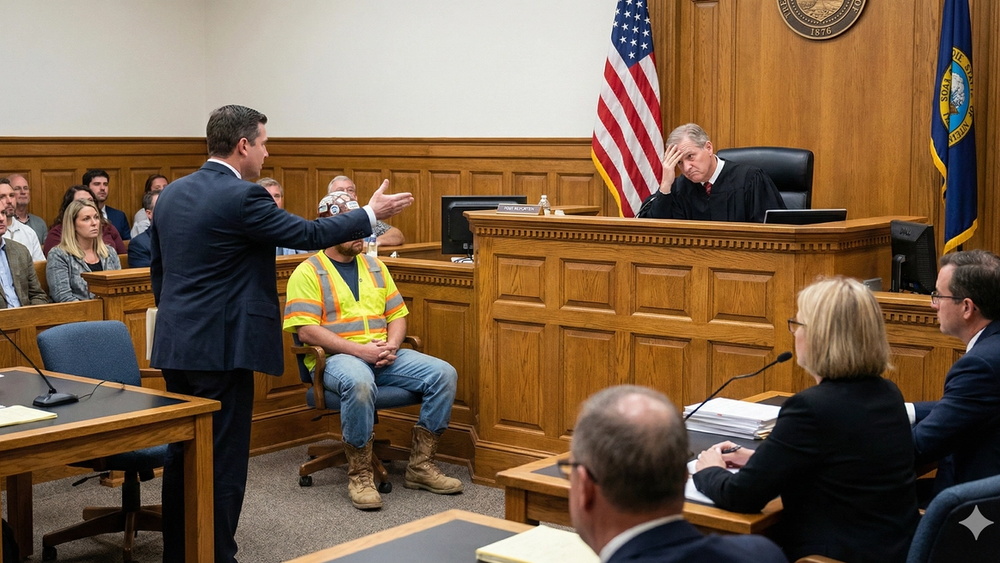
California Courts Navigate Complex Post-Reform Labor Landscape
Recent updates to California's labor statutes have left the state's judiciary in a complex position as they interpret new worker protection standards. According to recent reports, judges are currently wrestling with the nuances of these reforms to ensure that employee rights remain a top priority. This transition period is critical because it determines how historical labor protections will be applied to modern workplace disputes and emerging industries. As the courts refine these legal definitions, workers may find themselves at the center of precedent-setting litigation regarding their daily treatment and compensation. Navigating this shifting landscape requires a deep understanding of how both new and old laws interact to provide a safety net for the workforce.
Affected by a Employment Law Issue?
Our specialized tool can help you estimate the potential worth of your case based on current laws and precedents.
Identifying Employer Liability Under Evolving Worker Protections
Legal liability in the wake of these reforms often centers on whether an employer has properly categorized their staff or fulfilled their financial obligations under the new rules. If a company fails to adhere to the revised standards, they may be found liable for systemic wage-and-hour violations that impact dozens or even hundreds of employees. Liability is not just about direct intent; it also encompasses negligent record-keeping and a failure to update corporate policies in line with current California law. Legal professionals are looking closely at how businesses manage their overhead and whether they are cutting corners at the expense of legal compliance. Proving liability typically involves demonstrating a clear deviation from the statutory requirements that govern meal breaks, overtime, and proper classification.
Proactive Steps for Employees Facing Workplace Injustices
If you believe your rights have been compromised under these changing laws, the first step is to maintain detailed records of all your hours worked and any communication regarding your job status. It is also essential to determine whether you have been properly classified by your employer, which you can explore in our independent contractor vs employee misclassification guide. If you suspect that your employer is punishing you for raising these concerns, you should review our resources on workplace retaliation to understand your protections. Collecting pay stubs, employment contracts, and internal memos will create a strong evidentiary foundation for any future legal action. Consult with legal experts early to ensure you do not miss any critical deadlines for filing a claim or a formal complaint.
[Calculating Potential Recovery](https://casevalue.law/california/wage-and-hour-calculator) for Wage and Hour Violations
Victims of labor law violations in California may be eligible for significant financial recovery, including unpaid wages and liquidated damages. Beyond simply receiving the money they were originally owed, workers can often pursue statutory penalties that are designed to punish employers for non-compliance and deter future violations. Settlement ranges vary significantly based on the duration of the violation and the number of affected employees, but individual claims can often reach substantial sums. Factors such as the employer's history of violations and the clarity of the evidence provided can also heavily influence the final settlement amount. Understanding the full scope of your potential recovery is the first step toward reclaiming your hard-earned financial stability.
Understanding the Statutory Framework of California’s Labor Code
The legal framework governing these issues is primarily found within the California Labor Code and the Private Attorneys General Act (PAGA), which allows employees to sue for civil penalties on behalf of the state. Recent reforms have introduced specific nuances to how these cases are litigated, particularly regarding the arbitration of individual versus representative claims. It is important to remember that there are strict statutes of limitations for filing wage-and-hour claims, often ranging from one to three years depending on the specific nature of the violation. Staying informed about these deadlines is vital, as failing to act within the prescribed timeframe can permanently bar you from seeking justice. These laws are designed to balance the power dynamic between large corporations and individual workers, providing a pathway for legal recourse.
Determine Your Case Value With Our Specialized Tools
Knowing the potential value of your legal matter is essential before you decide how to proceed with a claim against an employer. Our website offers a specialized case evaluation tool designed to help you understand the financial implications of your specific situation without any upfront cost. By providing a few details about your employment history and the issues you have faced, you can receive an estimate that helps clarify your legal options. Do not leave your financial future to chance when you can use data-driven tools to assess the strength and value of your case. Take the first step toward holding your employer accountable today by using our free and confidential case evaluator to see what you may be owed.
Disclaimer: This blog post is for informational purposes only and does not constitute legal advice. For specific legal guidance regarding your situation, please consult with a qualified attorney.