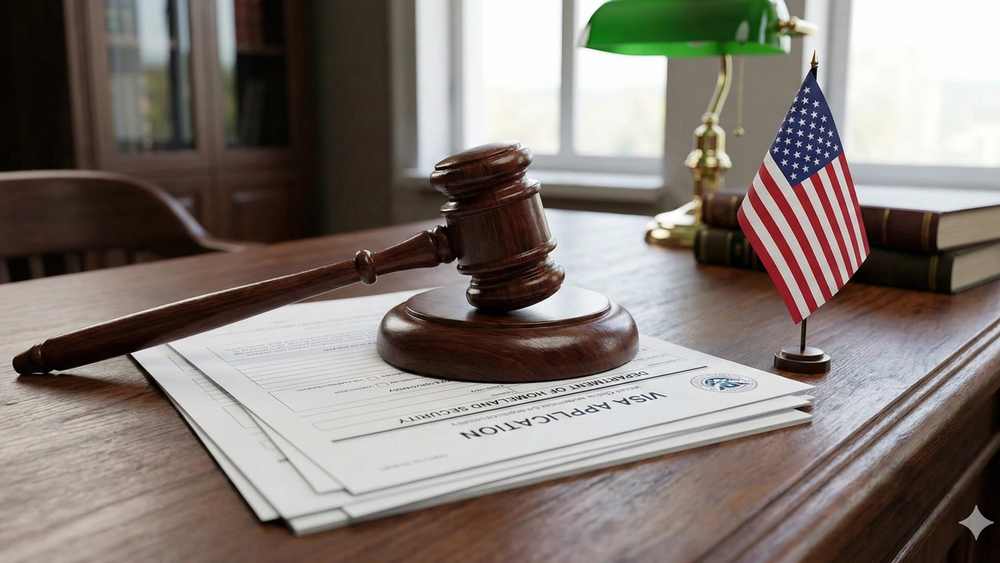
Federal Court Upholds Substantial $100,000 H-1B Worker Fee
A federal court has delivered a significant blow to the US Chamber of Commerce by allowing a $100,000 fee for H-1B worker applications to stand. This decision follows a long-standing legal battle regarding the high costs associated with hiring foreign talent in the United States. According to recent reports, the court ruled that the federal government possesses the authority to implement these fees, despite arguments that they create an undue burden on businesses. This ruling has major implications for the tech industry and other sectors that rely heavily on specialized foreign labor. As the legal landscape for immigration and labor continues to shift, workers and employers alike must stay informed on how these financial barriers might impact their operations and livelihoods.
Affected by a Employment Law Issue?
Our specialized tool can help you estimate the potential worth of your case based on current laws and precedents.
Understanding Responsibility and Authority in Federal Labor Mandates
From a legal perspective, the central issue revolves around the scope of executive and administrative authority to regulate labor and immigration via financial measures. The court's decision suggests that the government has broad discretion when setting fees that influence the domestic labor market. While the US Chamber of Commerce argued this was an overreach, the judicial system found that the fee structure does not violate existing statutory limits. This liability for high costs essentially shifts the financial burden of H-1B processing directly onto employers, but it also raises concerns about potential pass-through impacts on employees. If companies attempt to recoup these costs through illegal wage deductions or discriminatory practices, they may find themselves facing significant litigation under federal labor laws.
Navigating Workplace Rights Amidst Changing Immigration Fees
If you are an H-1B worker or an employee in a sector impacted by these high fees, it is crucial to monitor your compensation and treatment in the workplace closely. Ensure that your employer is not passing these federal fees onto you through illegal payroll deductions or reduced benefits, which could violate the Fair Labor Standards Act. If you suspect that your rights are being compromised, documenting all communications and pay stubs is an essential first step. You should also stay aware of your protections against workplace bias, such as those highlighted in cases involving age discrimination. Consulting with a professional who understands the intersection of immigration and labor law can help you determine if you have a valid claim for damages or restitution.
Potential Damages and Recovery in Employment Law Claims
When employment laws are violated, workers may be entitled to various forms of compensation depending on the specific nature of the breach. In cases where employers attempt to offset visa fees through discriminatory pay practices, victims might recover back pay, liquidated damages, and even emotional distress compensation. These settlements often aim to restore the worker to the financial position they would have occupied had the violation never occurred. The value of such claims can vary significantly based on the duration of the violation and the specific federal statutes invoked. Understanding how non-economic losses are valued can also be helpful if the workplace environment becomes hostile or retaliatory due to financial pressures on the company.
The Intersection of Federal Statutes and Employment Protection
The legal framework governing this situation includes the Immigration and Nationality Act and various Title VII protections that prevent discriminatory treatment based on national origin or citizenship status. Additionally, the Equal Pay Act ensures that workers receive fair compensation for equal work, a principle that remains vital even as visa fees fluctuate. Recent litigation against major corporations, such as the revived Stericycle gender discrimination lawsuit, underscores the judiciary's commitment to upholding these standards. There are strict statutes of limitations for filing employment-related claims, often requiring action within 180 or 300 days for EEOC-related matters. It is imperative to act quickly to preserve your right to seek justice and financial recovery under these complex federal laws.
Calculate the Potential Value of Your Employment Claim Today
Navigating the complexities of federal labor rulings and their impact on your specific career can be overwhelming, but you do not have to do it alone. If you believe your employer has engaged in unfair practices, retaliation, or illegal wage adjustments following the H-1B fee ruling, now is the time to take action. Our free case evaluation tool is designed to help you understand the merits of your situation and estimate the potential value of your claim without any upfront cost. By providing a few details about your workplace experience, you can gain the clarity needed to decide on your next legal steps. Don’t let administrative changes undermine your rights; use our calculator today to see what your case could be worth and start your journey toward justice.
Disclaimer: This blog post is for informational purposes only and does not constitute legal advice. For specific legal guidance regarding your situation, please consult with a qualified attorney.