Explosive Lithium-Ion Battery Blasts Through San Pedro Bike Shop
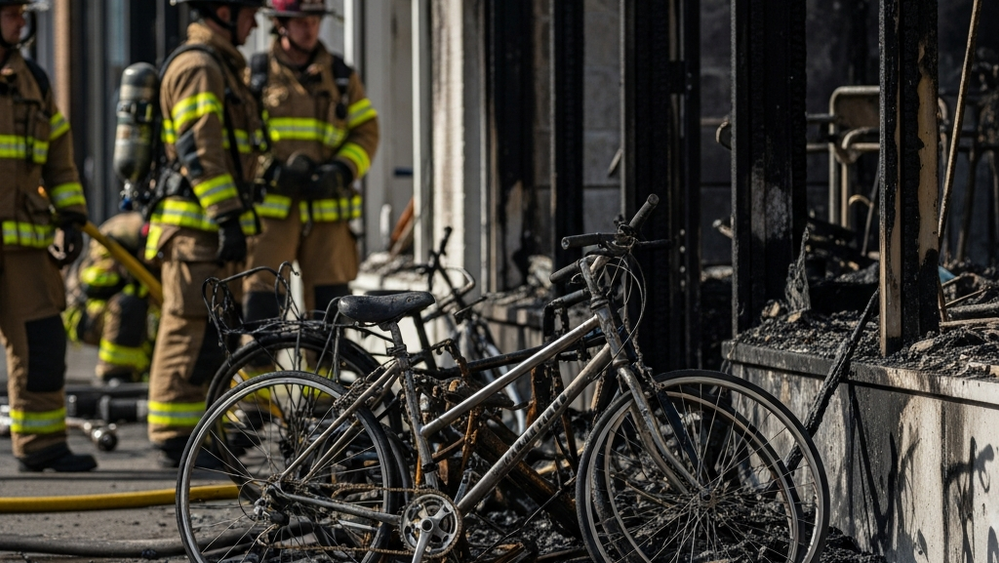
Highlighting the intense dangers of modern energy storage, a massive fire recently destroyed a bicycle shop in San Pedro after a lithium-ion battery failed. According to recent reports, the blaze erupted suddenly, engulfing the storefront and causing significant property damage before fire crews could contain the situation. These types of fires are notoriously difficult to extinguish because the chemical reactions within the battery can lead to thermal runaway. This incident serves as a stark reminder of the potential volatility of e-bike and scooter batteries commonly found in retail environments. Victims of such fires often face devastating losses, ranging from total inventory destruction to severe structural damage to the building.
Affected by a Product Liability Issue?
Our specialized tool can help you estimate the potential worth of your case based on current laws and precedents.
Determining Fault in Catastrophic Battery Failures
When a battery causes a catastrophic fire, determining liability requires a deep dive into the manufacturing and maintenance history of the device. In many cases, the manufacturer of the lithium-ion battery can be held strictly liable for design defects or manufacturing errors that led to the failure. Retailers and distributors may also share responsibility if they were aware of safety risks or failed to provide adequate warnings to consumers. Legal teams must investigate whether the battery was properly certified and if the failure was an isolated incident or part of a broader pattern of negligence. Proving liability is essential for victims who need to recover the massive costs associated with fire damage and business interruption.
Immediate Steps to Protect Your Legal Rights
If you or your business has been affected by a battery-related fire, your immediate priority should be documenting the scene and securing all physical evidence. Do not dispose of the remains of the battery or the device it was powering, as these are critical components for forensic investigation by legal experts. You should also gather all purchase receipts, maintenance logs, and insurance documents to create a clear paper trail of the product's history. It is vital to consult with a legal professional early to ensure you meet all filing deadlines, which you can verify in our Statute of Limitations Handbook. Taking these steps promptly protects your ability to seek full compensation for your losses before evidence disappears or memories fade.
[Calculating Potential Recovery](https://casevalue.law/california/product-liability-calculator) and Settlement Values
Victims of battery fires are often entitled to recover a wide range of damages to help them rebuild their lives or businesses. Economic damages typically include the cost of property repairs, replacement of destroyed inventory, and reimbursement for any medical treatments resulting from smoke inhalation or burns. If the fire caused a business to close, the owner might also seek compensation for lost profits and ongoing operational costs. Non-economic damages, such as pain and suffering or emotional distress, may be available depending on the severity of the incident and local laws. Every case is unique, and settlement values depend heavily on the extent of the negligence proven and the total financial impact on the victim.
California Product Liability and Negligence Laws
California law provides strong protections for consumers and business owners through strict product liability statutes. Under these rules, a plaintiff does not necessarily need to prove that a manufacturer was negligent, but rather that the product was defective and that the defect caused the injury or damage. However, defendants often argue comparative fault, suggesting that improper charging or storage by the user contributed to the fire. Understanding these nuances is essential, as California’s legal landscape for fire-related product liability is complex and constantly evolving. Furthermore, if the fire occurred in a commercial setting, workplace safety regulations and premises liability standards may also come into play.
Find Out What Your Battery Fire Claim Is Worth
Navigating the aftermath of a lithium-ion battery fire can be overwhelming, but you do not have to face the legal process alone. Understanding the true value of your claim is the first step toward securing the resources you need to recover and move forward. Our team has developed a specialized tool to help you estimate the potential worth of your case based on the specific details of your situation. We encourage you to use our free case evaluator today to gain clarity on your legal options and potential settlement range. Taking action now ensures that your rights are protected and that you are positioned to hold the responsible parties accountable for their failures.
Disclaimer: This blog post is for informational purposes only and does not constitute legal advice. For specific legal guidance regarding your situation, please consult with a qualified attorney.