Understanding the Foundation of Premises Liability
Premises liability is a legal concept that arises in personal injury cases where an injury was caused by some unsafe or defective condition on someone's property. Most people associate these cases exclusively with "slip and fall" accidents, but the umbrella of premises liability is significantly broader. It encompasses everything from dog bites and swimming pool accidents to inadequate security and exposure to toxic fumes. At its core, premises liability law holds property owners and occupiers responsible for ensuring that their environment is reasonably safe for those who enter it.
However, simply being injured on someone else's property does not automatically mean the property owner is negligent. To win a premises liability claim, the injured party must prove that the owner knew, or should have known, that the premises presented an unsafe condition and failed to take reasonable action to remedy it. This distinction is the battleground for most legal disputes in this field. Whether you are navigating a grocery store aisle or walking through a friend’s apartment complex, the law provides a framework for recovery if the person in charge of that space failed in their duty of care.
Affected by a Premises Liability Issue?
Our specialized tool can help you estimate the potential worth of your case based on current laws and precedents.
The Three Classifications of Visitors
In many jurisdictions, the level of care a property owner owes to a visitor depends entirely on the visitor’s status. Understanding which category you fall into is the first step in determining the strength of your claim. Legal systems typically recognize three distinct types of visitors: Invitees, Licensees, and Trespassers.
Business and Public Invitees
Invitees are individuals who enter a property for the financial benefit of the owner or because the property is open to the public. Examples include shoppers at a supermarket, guests at a hotel, or patrons at a museum. Property owners owe the highest duty of care to invitees. They must regularly inspect the property for hazards, repair known dangers, and provide adequate warnings about any conditions that cannot be immediately fixed.
Licensees and Social Guests
Licensees are people who enter a property for their own purposes but with the owner’s express or implied permission. This category most often includes social guests, such as friends or neighbors visiting a private residence. The duty of care owed to a licensee is slightly lower than that for an invitee. The owner must warn the licensee of any non-obvious dangerous conditions they are actually aware of, but they generally do not have an affirmative duty to inspect the property for unknown hazards before the guest arrives.
Trespassers and the Duty of Care
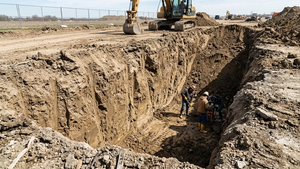
Trespassers are individuals who enter a property without any right or permission to do so. Generally, property owners owe no duty of care to adult trespassers other than to refrain from intentional or "willful and wanton" harm (such as setting traps). However, there is a significant exception known as the "Attractive Nuisance" doctrine. This rule applies to children who may be lured onto a property by something like a swimming pool or a construction site; in these cases, owners must take reasonable steps to prevent children from accessing dangerous areas.
The Four Pillars of a Successful Claim
To secure compensation after a slip, trip, or fall, your legal team must establish four specific elements. If any of these pillars are missing, the insurance company will likely deny your claim during the negotiation process.
- Duty of Care: You must prove the defendant owned, occupied, or leased the property and therefore had a legal obligation to maintain safety.
- Breach of Duty: You must demonstrate that the owner failed to meet the required standard of care. This often involves showing that they allowed a hazard to persist for an unreasonable amount of time.
- Causation: It is not enough to show that a hazard existed; you must prove that the specific hazard was the direct cause of your injuries. This is why immediate documentation of your injuries and the scene is so vital.
- Damages: You must have suffered actual losses, such as medical bills, lost wages, or physical pain and suffering, as a result of the accident.
Common Hazards in Premises Liability Cases
While every case is unique, certain hazards appear frequently in premises liability litigation. Identifying the specific hazard that caused your fall is essential for building a narrative of negligence.
Liquid Spills and Wet Floors
This is the most common cause of slip and fall claims. Whether it is a leaked refrigeration unit in a grocery store, a freshly mopped floor without a warning sign, or a spilled drink in a restaurant, liquid on a walking surface creates a high risk of traction loss. The legal challenge here often revolves around "timing"—how long the spill was there before you fell.
Uneven Surfaces and Flooring Defects
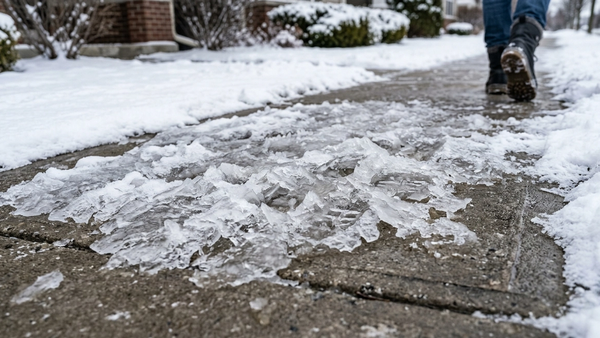
Trips are often caused by changes in elevation that a reasonable person would not expect. This includes torn carpeting, loose floorboards, cracked sidewalks, or abrupt transitions between tile and wood. In many states, a "trivial defect" rule exists, where minor height differences (usually less than half an inch) may not be considered actionable negligence.
Poor Lighting and Visibility
Inadequate lighting can turn a minor obstacle into a major hazard. Stairwells, parking lots, and hallways must be sufficiently lit so that visitors can see potential dangers. If a property owner allows lightbulbs to remain burnt out in a high-traffic area, they may be liable for any resulting falls.
Actual vs. Constructive Notice
One of the most difficult hurdles in a premises liability case is proving that the owner was "on notice" of the hazard. If a customer drops a jar of pickles and you slip on it five seconds later, the store is likely not liable because they didn't have a reasonable amount of time to find and fix the mess. There are two types of notice used in legal arguments:
Actual Notice
Actual notice means the owner or an employee specifically knew the hazard existed. This might be proven through an employee report, a previous complaint from another customer, or security footage showing an employee looking at the hazard and walking away without addressing it.
Constructive Notice
Constructive notice is more common and relies on the idea that the owner should have known about the hazard through the exercise of ordinary care. For example, if a leak in a grocery store has caused a large pool of water to collect and there are tracks from shopping carts through the water, a lawyer can argue that the hazard existed for a long enough time that a reasonable inspection would have discovered it. The "mode of operation" rule also applies here: if a business's chosen method of operation (like a self-service salad bar) makes it highly foreseeable that spills will occur, the burden of proof regarding notice may be lowered.
Proving Your Case: The Role of Evidence
In the aftermath of an accident, evidence can disappear quickly. Property owners may fix the defect, mop the spill, or "lose" security footage. To protect the value of your claim, you must be proactive in gathering information.
Physical and Digital Evidence
If you are physically able, take photos and videos of the hazard from multiple angles immediately after the fall. Capture the surrounding area to show the lack of warning signs. If your accident happened in a commercial setting, like those often seen in rideshare accidents at busy hubs, look for overhead cameras. Your attorney should quickly send a "spoliation letter" to the property owner, legally demanding they preserve all video footage from the day of the incident.
Witness Statements and Incident Reports
If anyone saw you fall, get their contact information. Independent witness testimony is incredibly powerful because they have no financial stake in the outcome. Furthermore, always report the accident to the manager or owner and insist on filing a written incident report. Get a copy of this report before you leave, as it serves as official proof of when and where the accident occurred.
Comparative Negligence: Can You Be At Fault?
A common defense tactic used by insurance companies is to blame the victim for their own injuries. This is known as comparative negligence. The adjuster might argue that you were distracted by your phone, wearing inappropriate footwear, or walking into an area that was clearly marked as off-limits.
How Comparative Fault Impacts Your Payout
Different states follow different rules for comparative fault. In "pure" comparative negligence states, you can recover damages even if you were 99% at fault, though your award is reduced by your percentage of blame. In "modified" comparative negligence states, you are barred from recovery if your fault exceeds a certain threshold (usually 50% or 51%). For example, if a jury determines your total damages are $100,000 but finds you 20% responsible for the fall, your final check would be $80,000.
The "Open and Obvious" Doctrine
Property owners often claim that a hazard was so "open and obvious" that any reasonable person would have seen and avoided it. If a judge agrees that the danger was clearly visible, they may dismiss the case entirely. However, exceptions exist—such as when the visitor was necessarily distracted or the owner should have anticipated that the visitor would still encounter the hazard despite its obviousness.
Commercial vs. Residential Liability
The dynamics of a claim change significantly depending on where the injury occurred. Suing a multi-billion dollar corporation is a different beast than filing a claim against a neighbor's homeowners insurance.
Commercial Properties
Businesses like big-box retailers, malls, and office buildings carry high-limit liability insurance policies. These entities are treated as sophisticated actors who are expected to have rigorous inspection protocols in place. In cases involving large commercial spaces, much like trucking accident lawsuits, the discovery process often involves digging into corporate safety manuals and employee training logs to find systemic failures.
Residential Properties and Landlords
In residential settings, the landlord is typically liable for injuries occurring in common areas (like hallways, stairs, or parking lots). However, if the injury occurs inside a rented unit, the tenant might be responsible unless the injury was caused by a structural defect the landlord failed to repair after being notified. Most of these claims are handled through homeowners or renters insurance, which often has much lower coverage limits than commercial policies.
Calculating the Value of Your Settlement
How much is your slip and fall claim actually worth? The value of a case is determined by the sum of your economic and non-economic damages. No two cases are identical, and an "average" settlement is a myth because the severity of injuries varies so wildly.
Economic Damages (The Paper Trail)
These are the quantifiable financial losses you have incurred. They include:
- Past and Future Medical Bills: Surgery, physical therapy, medications, and diagnostic tests.
- Lost Wages: Income lost while you were unable to work.
- Loss of Earning Capacity: If your injury prevents you from returning to your previous career or requires you to work fewer hours.
Non-Economic Damages (The Human Cost)
These damages are subjective and harder to calculate. They include:
- Pain and Suffering: The physical agony of the injury and the recovery process.
- Emotional Distress: Anxiety, depression, or PTSD resulting from the trauma.
- Loss of Consortium: The impact the injury has on your relationship with your spouse.
In high-value cases, experts like life-care planners and economists are often brought in to project the lifetime cost of a permanent disability.
Special Considerations: Government and Municipal Property
If you trip on a broken sidewalk owned by the city or slip in a post office, you are entering the realm of sovereign immunity. Suing a government entity is significantly more complex than suing a private citizen. Most states have a "Tort Claims Act" that outlines specific rules for these cases.
One of the biggest hurdles is the notice requirement. While you might have years to sue a private business, government claims often require you to file a "Notice of Claim" within a very short window—sometimes as little as 30 to 90 days after the accident. Failure to file this notice exactly as required can result in losing your right to compensation forever. Furthermore, many states place a cap on the total amount of damages you can recover from a government body.
Wrongful Death in Premises Liability
Tragically, some falls result in fatal injuries, particularly among the elderly or those who suffer a traumatic brain injury (TBI) from the impact. When a property owner's negligence leads to a fatality, the family of the deceased may file a wrongful death lawsuit. These claims seek to compensate the survivors for the loss of financial support, funeral expenses, and the loss of companionship. While no amount of money can replace a loved one, these lawsuits hold negligent owners accountable and provide a financial safety net for the grieving family.
The Timeline of a Premises Liability Lawsuit
From the moment you fall to the moment you receive a settlement check, the process can take anywhere from six months to several years. Understanding the stages of litigation can help manage your expectations.
- Medical Stabilization: You should never settle until you have reached Maximum Medical Improvement (MMI). This ensures all medical costs are known.
- Investigation and Demand: Your lawyer gathers evidence and sends a demand letter to the insurance company.
- Filing the Complaint: If the insurance company refuses a fair settlement, a formal lawsuit is filed in court.
- Discovery: Both sides exchange documents, take depositions, and interview experts. This is the longest phase of the case.
- Mediation: A neutral third party tries to help both sides reach a compromise.
- Trial: If no settlement is reached, the case goes before a judge or jury.
Why Legal Representation Is Critical
Insurance adjusters are trained to minimize payouts. They may record your statement and use your words against you, or offer a "nuisance settlement" that barely covers your initial ER visit. A skilled premises liability attorney understands how to combat these tactics. They have the resources to hire accident reconstruction experts, medical specialists, and investigators to prove the property owner's negligence.
Furthermore, an attorney handles the heavy lifting of the legal process, allowing you to focus on your recovery. They understand the nuances of the law, such as the statute of limitations, ensuring that you don't miss any critical deadlines that would bar your recovery. Most personal injury lawyers work on a contingency fee basis, meaning you pay nothing upfront and they only get paid if they win your case.
Take Action Today: Get Your Free Case Evaluation
If you or a loved one has been injured due to a dangerous condition on someone else's property, time is not on your side. Evidence can be cleared away, and legal deadlines are constantly approaching. You deserve to know the true value of your claim and have an advocate who will fight for your rights.
At CaseValue.law, we specialize in helping injury victims understand their legal options. Don't let a property owner's negligence leave you with a mountain of medical debt. Contact us today for a free, no-obligation case evaluation to find out what your claim is worth and how to take the next steps toward justice.
Disclaimer: This blog post is for informational purposes only and does not constitute legal advice. For specific legal guidance regarding your situation, please consult with a qualified attorney.