Judge Rules on Evidence for Upcoming Bard PowerPort Trials
A significant pretrial ruling has shifted the landscape for upcoming litigation involving the Bard PowerPort device. According to recent reports, a federal judge has decided that juries will not be allowed to hear testimony or evidence regarding problems with Bard’s IVC filters. The plaintiffs' attorneys argued that the issues with IVC filters—specifically fracture and migration—were similar to the failures seen in the PowerPort devices, suggesting a pattern of corporate negligence. However, the court found that introducing this evidence would be unfairly prejudicial and could confuse the jury during these specific product liability trials. This decision comes as the legal community prepares for bellwether cases that will set the tone for thousands of other claimants. It remains to be seen how this evidentiary limit will influence the strategies used by both sides as they head to trial.
Affected by a Product Liability Issue?
Our specialized tool can help you estimate the potential worth of your case based on current laws and precedents.
Understanding Corporate Liability in Medical Device Claims
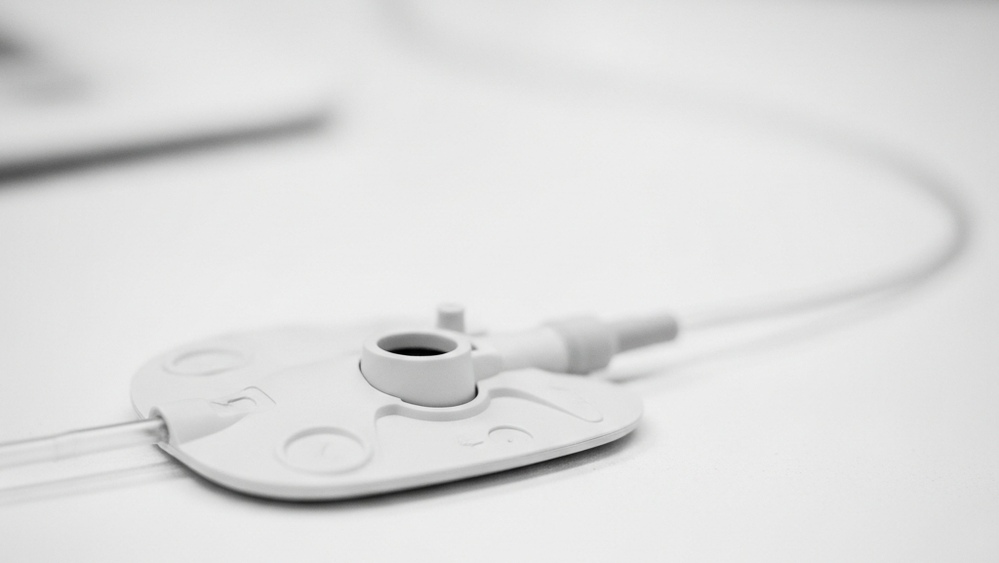
In mass tort cases like the Bard PowerPort litigation, liability often hinges on whether a manufacturer failed to warn patients and doctors about known risks. Plaintiffs allege that the PowerPort, a catheter system used for delivering medication, is prone to fracturing and migrating within the body, leading to severe internal injuries. When a device is found to have a design defect or an inadequate warning label, the manufacturer can be held strictly liable for the resulting damages. Even without the IVC filter evidence, attorneys will likely focus on internal testing data and the high concentration of barium sulfate used in the catheters, which is claimed to weaken the device's structural integrity. Proving that the company knew about these risks but prioritized profit over safety is a central theme in these lawsuits. This level of corporate responsibility is the backbone of the entire MDL process.
Critical Steps for Patients with PowerPort Complications
If you or a loved one have experienced complications such as infections, blood clots, or device failure after receiving a Bard PowerPort, immediate action is necessary to protect your health and legal rights. First, ensure you have a complete copy of your medical records, as these documents serve as the foundation for any potential claim. It is also helpful to understand the legal difference between medical malpractice and a bad outcome to determine if your situation warrants a lawsuit against the manufacturer. You should also consult with a specialist to monitor for any fragments that may have migrated to other parts of your vascular system. To get a better sense of your potential recovery, use our free case calculator to estimate your claim value based on your specific injuries. Taking these steps early ensures that your evidence is preserved and your legal options remain open.
Determining the Potential Value of Your PowerPort Claim
Compensation in medical device litigation varies significantly based on the severity of the injury and the long-term impact on the victim's life. Damages typically include reimbursement for past and future medical expenses, lost wages from missed work, and compensation for physical pain and suffering. In cases where the device caused catastrophic injury, such as a punctured organ or a pulmonary embolism, the settlement value may be substantially higher than in cases involving minor infections. Furthermore, the Eggshell Plaintiff Rule may apply if a patient’s pre-existing condition made them more susceptible to injury from a failing device. Juries also consider the emotional distress and loss of quality of life when determining an appropriate award for the plaintiff. Every detail of your recovery process can influence the final settlement or verdict amount.
Navigating Federal Statutes and Product Liability Laws
The Bard PowerPort litigation is currently centralized in a Multidistrict Litigation (MDL) in the District of Arizona, which allows for more efficient handling of similar cases. These cases are governed by state-specific product liability statutes, which often involve strict liability for design defects and failure to warn. It is crucial to be aware of the statute of limitations, which is the legal deadline for filing a lawsuit; these vary by state but generally begin when the injury is discovered. The Food and Drug Administration (FDA) regulates these devices, and evidence of a company bypassing rigorous safety testing can be pivotal in court. Additionally, the Federal Rules of Evidence dictate what types of prior corporate conduct can be shown to a jury, as seen in this recent ruling regarding IVC filters. Understanding these complex federal and state frameworks is vital for a successful outcome in court.
Evaluate Your Potential Case Value Today
Navigating the complexities of a mass tort against a multi-billion dollar medical device company is a daunting task for any individual. While the judge's decision to exclude certain evidence is a hurdle, it does not mean your case lacks merit, as there are many other avenues to prove manufacturer negligence. Our team is dedicated to helping victims understand the legal landscape and identify the best path forward for their recovery. You do not have to face this process alone or wonder about the "what-ifs" regarding your potential compensation. Take the first step toward justice by using our product liability case calculator to see what your legal claim could be worth. Your story matters, and we are here to help you evaluate the true value of your experience.
Disclaimer: This blog post is for informational purposes only and does not constitute legal advice. For specific legal guidance regarding your situation, please consult with a qualified attorney.