Abbott Libre 3 Lawsuit Alleges Dangerous Sensor Inaccuracies
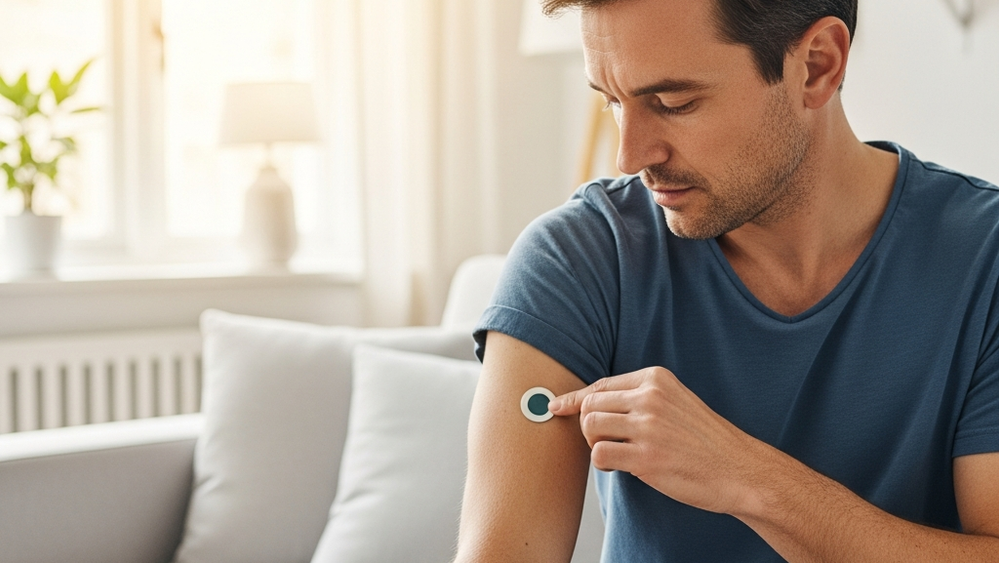
Abbott Laboratories is facing a class action lawsuit over its FreeStyle Libre 3 Continuous Glucose Monitor (CGM) system, with plaintiffs alleging that the devices provide dangerously inaccurate readings. According to recent reports, users have experienced sensor failures that could result in severe medical complications, including insulin overdose or life-threatening hypoglycemia. These sensors are designed to provide real-time data for diabetic management, making accuracy a life-or-death requirement for many patients. The lawsuit claims that Abbott was aware of these defects but failed to adequately warn the public or rectify the issues. For many, a malfunctioning medical device is not just a technical glitch; it is a profound breach of trust that puts their health at immediate risk.
Affected by a Product Liability Issue?
Our specialized tool can help you estimate the potential worth of your case based on current laws and precedents.
Determining Liability in Medical Device Defect Cases
In cases involving sophisticated medical technology like the Libre 3, legal liability often hinges on the principles of product liability, specifically design defects or a failure to warn users of known risks. From a legal standpoint, manufacturers are held to a high standard because consumers rely on their products for critical health monitoring. If a device is found to be inherently unsafe or if the company suppressed information regarding its failure rate, they may be held strictly liable for any resulting injuries. This situation is similar to other medical product failures, such as those seen in port catheter failure claims, where the structural integrity of the device is paramount. Attorneys will likely scrutinize Abbott’s internal testing data to determine when they first became aware of the sensor's propensity for providing false readings.
Immediate Steps for Users Facing Sensor Malfunctions
If you believe your Abbott Libre 3 sensor has provided inaccurate readings, your first priority must be your immediate health and safety. Document every instance of a suspected malfunction, including the date, time, and the physical symptoms you experienced versus the reading provided by the device. It is also essential to keep the defective sensor and any packaging or receipts, as these serve as critical evidence in a legal claim. Much like victims of other faulty consumer products, such as those described in the Amazon heated insoles lawsuit, having a clear record of the incident is vital for proving your case. Finally, consult with a medical professional to adjust your treatment plan and then reach out to a legal expert to discuss your potential for compensation.
Understanding Potential Settlement Value and Recovery
Compensation in a defective medical device lawsuit can vary significantly based on the severity of the injury and the long-term impact on the victim's health. Plaintiffs may seek damages for medical expenses, lost wages if they were unable to work, and non-economic damages such as pain and suffering or emotional distress. In extreme cases where a device failure leads to permanent disability or long-term health complications, the settlement amounts can be substantial. Factors like the duration of the defect's impact and the clarity of the manufacturer's negligence will heavily influence the final valuation of the claim. Understanding these variables is key to setting realistic expectations for any legal recovery and securing the support needed for ongoing care.
Regulatory Standards and Statutes for Device Claims
Medical devices are regulated at the federal level by the FDA, but product liability lawsuits are primarily governed by state laws that dictate how long a victim has to file a claim. These statutes of limitations vary by state, often ranging from two to four years from the date the injury was discovered or should have been discovered. Additionally, many states follow the "discovery rule," which is particularly relevant when a device defect is not immediately apparent to the consumer. Navigating these complex legal timelines and regulatory standards requires a deep understanding of both state and federal litigation procedures. Ensuring your claim is filed within these strict windows is the only way to preserve your right to seek justice against large corporations like Abbott.
Calculate Your Potential Case Value Today
Dealing with the consequences of a defective glucose monitor is overwhelming, but you do not have to face it alone. Our team is dedicated to helping victims of medical device negligence understand their rights and the potential value of their claims. By using our free, interactive case evaluator, you can get a clearer picture of your legal options in just a few minutes. Whether you are dealing with minor complications or a life-altering medical emergency, taking this first step is crucial for holding manufacturers accountable. Don't wait until it is too late; find out what your case is worth today and start your journey toward the compensation you deserve.
Disclaimer: This blog post is for informational purposes only and does not constitute legal advice. For specific legal guidance regarding your situation, please consult with a qualified attorney.