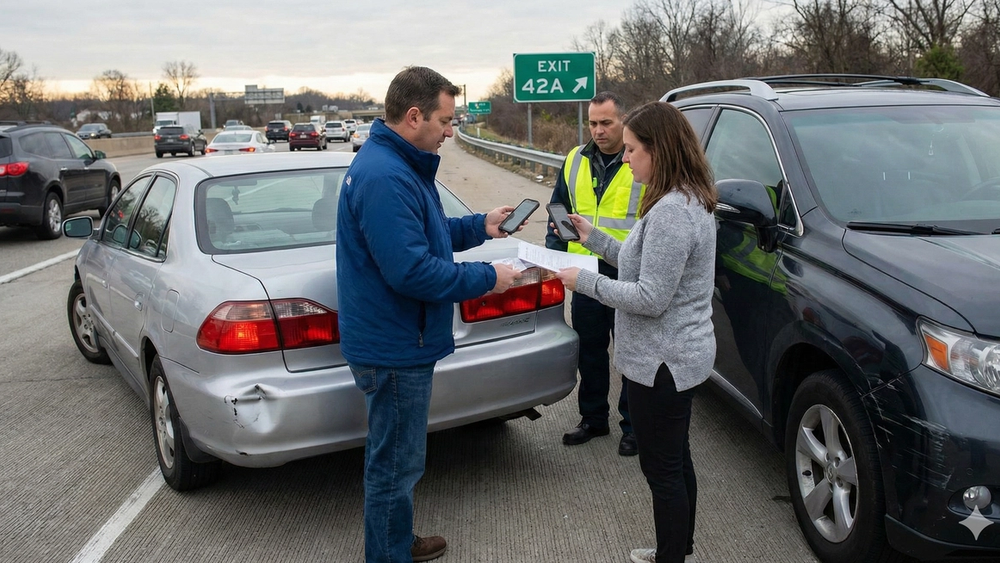
1. Immediate Action: Securing the Scene and Gathering Evidence
The success of your insurance claim often depends on what happens in the minutes immediately following the accident. Once you have ensured everyone is safe and contacted emergency services, your priority must shift to documentation. Take clear photos of vehicle damage, road conditions, and injuries, and be sure to collect contact information from witnesses. It is crucial to obtain a police report, as this is an official record of the facts. However, be aware that reporting requirements vary significantly across the US; for example, states like California require reporting accidents involving injury or significant property damage to the DMV within 10 days, while other states have shorter or longer windows. Failing to adhere to your specific state's reporting timeline can jeopardize your claim before it even begins.
2. Initiating the Claim: Navigating "Fault" vs. "No-Fault" Rules
Affected by a Motor Vehicle Issue?
Our specialized tool can help you estimate the potential worth of your case based on current laws and precedents.
When you call your insurance provider to open a claim, you are entering a complex legal landscape defined by your state's liability laws. In "at-fault" (tort) states, the driver who caused the accident is responsible for the damages. However, if you live in one of the roughly 12 "no-fault" states—such as Florida, Michigan, or New York—you must typically turn to your own Personal Injury Protection (PIP) coverage first, regardless of who caused the crash. It is vital to know which category your state falls under, as this dictates whose insurance company you deal with and what damages (like pain and suffering) you are eligible to recover. A generic approach does not work here; understanding your local jurisdiction is key to filing the correct paperwork.
3. The Evaluation Phase: Handling Insurance Adjusters
Once a claim is filed, an insurance adjuster will be assigned to investigate the case. Their goal is to close the file for the lowest possible amount, often by arguing that your injuries were pre-existing or that you shared more liability for the crash than you actually did. This is where the nuances of "comparative negligence" come into play. In states with modified comparative negligence rules (like Texas or Illinois), you may be barred from recovering money if you are found to be more than 50% or 51% at fault. Conversely, in pure comparative negligence states (like California or Kentucky), you can still recover damages even if you were 99% at fault, though your payout will be reduced by your percentage of blame. Never accept an initial settlement offer without understanding how these local negligence laws impact your case value.
4. Knowing When to Escalate: Statutes of Limitations and Legal Help
If the insurance company denies your claim or offers a "lowball" settlement that doesn't cover your medical bills, it may be time to seek legal counsel. You do not have unlimited time to negotiate; every state enforces a "statute of limitations"—a strict deadline for filing a lawsuit. This can be as short as one year in states like Tennessee or Louisiana, or as long as six years in Maine. Missing this deadline effectively destroys your right to compensation. If negotiations stall, using a case evaluation tool can help you determine the fair market value of your claim based on your specific injuries and your state’s legal environment, ensuring you don't leave money on the table.
Disclaimer: This blog post is for informational purposes only and does not constitute legal advice. For specific legal guidance regarding your situation, please consult with a qualified attorney.