Tragic Trapped Occupants: The Tesla Vehicle Fire Allegations
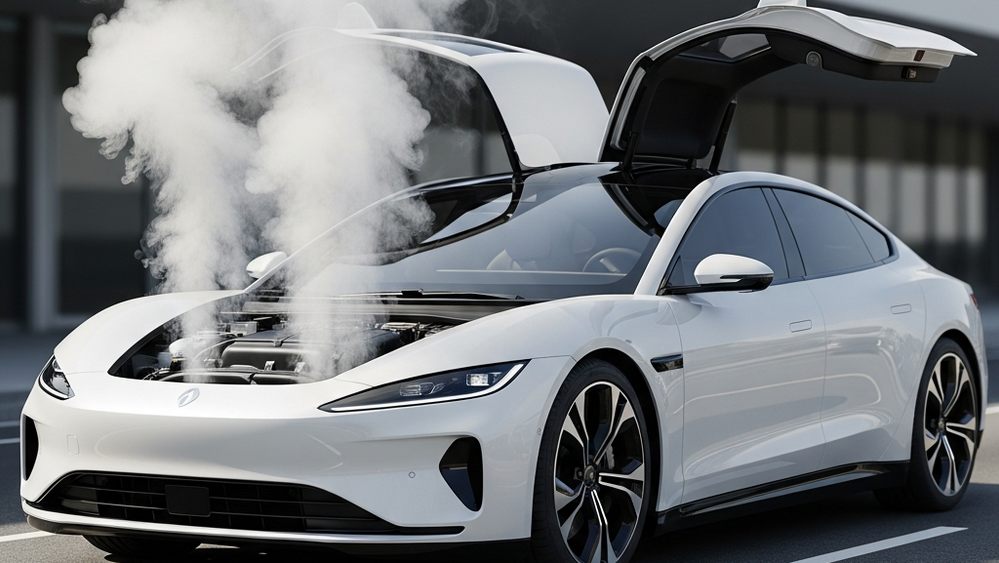
A harrowing new product liability lawsuit alleges that a Tesla vehicle's electronic door system failed during a fire, leaving occupants trapped inside a burning car. According to recent reports, the plaintiffs suffered life-threatening injuries because the handles would not retract or function without power. This incident highlights growing concerns regarding the safety of electronic-only entry systems in emergency situations where electrical failure is likely. Legal experts are closely monitoring this case as it questions the fundamental design safety of high-tech vehicle components. Occupants should never be placed in a position where a vehicle’s safety features actually prevent their escape during a life-threatening crisis.
Affected by a Product Liability Issue?
Our specialized tool can help you estimate the potential worth of your case based on current laws and precedents.
Pinpointing Liability: Why Electronic Doors May Be Legally Defective
Establishing liability in cases involving complex automotive technology requires proving that a design defect made the vehicle unreasonably dangerous for its intended use. In this instance, the focus is on whether Tesla failed to provide a reliable manual override that an average user could operate under extreme stress. Under strict product liability principles, manufacturers can be held responsible for injuries caused by defects regardless of the specific care taken during production. Attorneys will likely argue that the electronic door mechanism constitutes a design defect because safer alternative designs, like traditional mechanical latches, were available and feasible. Furthermore, the lawsuit may explore whether Tesla provided adequate warnings about the risks of electronic door failure during a thermal event.
Essential Actions to Take Following a Vehicle Malfunction
If you or a loved one are involved in a vehicle fire or any accident involving a potential mechanical failure, your immediate actions are vital for a future claim. First, ensure everyone receives urgent medical attention and that a detailed police report is filed at the scene to document the conditions. Following the first 24 hours after an injury checklist can help you preserve critical evidence, such as photographs of the vehicle and the surrounding area. You should also refrain from speaking to insurance adjusters or signing any waivers until you have consulted with a legal professional. To understand the potential scale of your recovery, you can use our product liability case calculator to evaluate your specific situation today.
Recovering Damages for Life-Altering Burn Injuries
Victims of catastrophic vehicle fires often face a lifetime of medical expenses, including surgeries, skin grafts, and long-term rehabilitation for smoke inhalation or severe burns. Compensation in these high-stakes lawsuits typically covers economic damages such as lost wages and past medical bills, as well as non-economic damages like pain and suffering. In cases where a manufacturer's conduct is found to be particularly egregious or indifferent to consumer safety, punitive damages may also be awarded to deter future negligence. For context on how fire-related defects are handled in court, you might look at the Amazon power bank lawsuit which also involves product-related fire risks. The total settlement or verdict amount depends heavily on the severity of the permanent injuries and the degree of the manufacturer's proven liability.
Navigating Federal Safety Standards and Product Liability Laws
The legal landscape for automotive safety is governed by both state laws and federal standards set by the National Highway Traffic Safety Administration. These regulations dictate how vehicles must perform in crash scenarios, including requirements for occupant egress and post-crash fire safety. In many states, the statute of limitations for filing a product liability claim is strictly enforced, meaning victims must act quickly to preserve their right to sue. Additionally, some jurisdictions apply comparative negligence rules, which could impact the final award if the defendant argues the plaintiff contributed to their own injuries. Understanding these complex statutes is essential for building a robust case against a multi-billion dollar corporation like Tesla.
Estimate the Value of Your Potential Tesla Injury Claim
Facing a massive automotive manufacturer in court can be a daunting prospect, but you do not have to navigate the legal process alone. Our team is dedicated to helping injury victims understand their rights and the true value of their potential claims through advanced data-driven tools. By taking the time to document your experience and review the evidence, you are taking a crucial step toward securing the justice and compensation you deserve. We encourage you to use our free, confidential case evaluation tool to see how much your matter might be worth based on current legal standards. Do not wait to seek the help you need; the sooner you begin the process, the better your chances of a successful legal outcome.
Disclaimer: This blog post is for informational purposes only and does not constitute legal advice. For specific legal guidance regarding your situation, please consult with a qualified attorney.