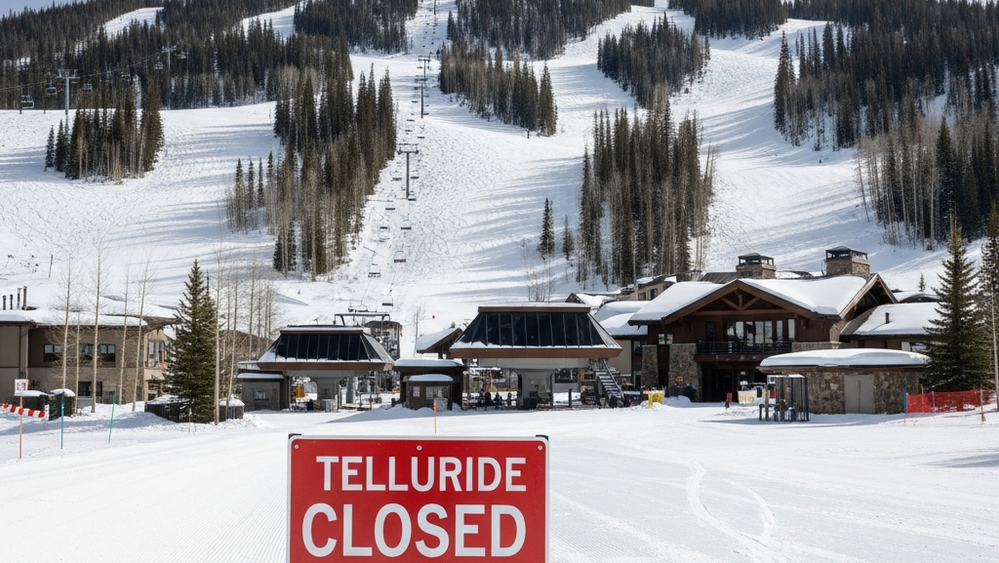
Labor Dispute Grinds Telluride Ski Operations to a Halt
The picturesque slopes of Telluride, Colorado, have fallen silent at the height of the season as a significant labor dispute has led to a town-wide shutdown. According to recent reports, workers have walked off the job following a breakdown in negotiations between the resort management and the union representing various service and maintenance staff. This strike has not only halted the lifts but has sent shockwaves through the local economy, affecting small businesses and tourists alike. The timing of the strike, occurring during the lucrative holiday period, underscores the leverage workers are attempting to exercise in their fight for better wages and working conditions. As the standoff continues, the legal and financial ramifications for both the employees and the resort owners are beginning to mount.
Affected by a Employment Law Issue?
Our specialized tool can help you estimate the potential worth of your case based on current laws and precedents.
Deciphering Liability in Complex Union Standoffs
Determining liability in a labor dispute involves examining the collective bargaining agreement and federal labor laws to see if either party has engaged in "unfair labor practices." If a resort fails to negotiate in good faith or if a union initiates a strike that violates specific "no-strike" clauses, legal consequences can be severe for both sides. Furthermore, third parties such as local business owners or contracted vendors might look for ways to recoup losses, though labor law often protects unions from certain types of secondary liability. In many cases, the focus shifts to whether the employer has created a hostile or unsafe environment, which can trigger additional scrutiny from federal oversight bodies. Legal experts often look at the history of negotiations to determine if a breach of contract or a violation of protected concerted activity has occurred.
Navigating Your Rights During a Workplace Conflict
If you find yourself in the middle of a labor dispute or feel your rights have been violated at work, it is crucial to document every communication and incident. Employees should understand their protections under the National Labor Relations Act, similar to how workers challenged conditions in the Amazon warehouse picketing case. If your dispute involves safety concerns, you might find parallels in how agencies handle OSHA safety violations to ensure a secure working environment. For those facing issues related to pay equity, reviewing the Stericycle discrimination lawsuit can provide insights into how wage-related claims are structured. Consulting with a legal professional early can help you determine the best path forward, whether that involves filing a formal complaint or joining a class action.
Potential Compensation and Economic Recovery for Workers
Compensation in labor-related legal actions typically centers on making the employee "whole" again after financial or professional setbacks. This can include back pay for lost wages, front pay for future losses, and occasionally liquidated damages which act as a penalty against the employer for willful violations. In cases involving emotional distress or systemic unfair treatment, pain and suffering damages may also be considered to account for the non-economic toll of the dispute. The total value of a claim often depends on the duration of the labor violation, the number of employees affected, and the specific laws governing the industry. Settlement ranges vary widely, but strong documentation of lost earnings and benefits is essential for maximizing any potential recovery.
The Legal Landscape Governing Colorado Labor Relations
The legal framework for a strike like the one in Telluride is primarily governed by the National Labor Relations Act (NLRA) at the federal level, but state-specific statutes also play a role. In Colorado, specific labor peace acts and wage-and-hour laws provide additional layers of protection and regulation for both seasonal and full-time workers. These laws dictate the legal procedures for striking, picketing, and the eventual mediation or arbitration required to resolve the impasse. It is also important to consider the legal foundations of duty and breach for filing claims, as failing to meet procedural requirements can bar an individual from seeking legal recourse. Understanding the intersection of federal oversight and local labor regulations is vital for any worker or business owner navigating the fallout of a major town shutdown.
Calculate the Value of Your Employment Claim Today
If your livelihood has been impacted by a labor dispute, workplace safety issue, or unfair employment practice, you deserve to know where you stand legally. Our team provides the resources necessary to help you understand the potential value of your case without the stress of upfront legal fees. By using our free case evaluation tool, you can get a clearer picture of what your claim might be worth based on your specific circumstances. Don't let corporate interests or complex legal jargon prevent you from seeking the justice and compensation you are entitled to under the law. Take the first step toward securing your financial future today by utilizing our interactive calculator to assess your legal options.
Disclaimer: This blog post is for informational purposes only and does not constitute legal advice. For specific legal guidance regarding your situation, please consult with a qualified attorney.