Recalled Ryobi Hedge Trimmer Leads to Finger Amputation
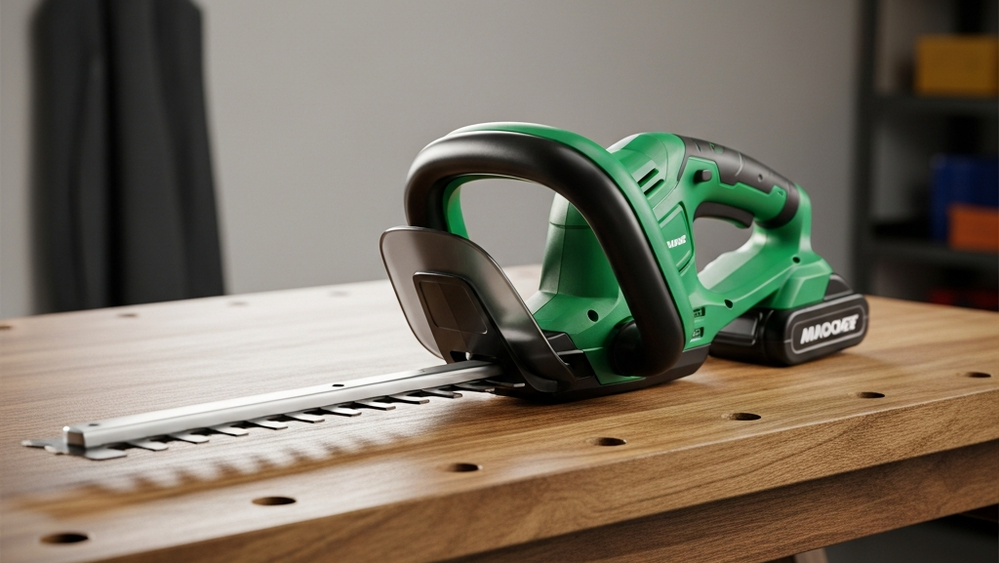
A Pennsylvania woman recently filed a lawsuit alleging that a Ryobi cordless electric hedge trimmer caused the amputation of her fingertip despite the tool being subject to a previous recall. According to recent reports, the plaintiff suffered the traumatic injury when her hand came into contact with the blades while she was attempting to clear a jam. The device in question, Model P2606, was part of a significant recall involving hundreds of thousands of units because the blade guard could malfunction and expose the user to sharp edges. This case highlights the ongoing dangers posed by consumer products that remain in circulation long after safety defects are identified. Victims often face permanent disability and psychological trauma following such preventable gardening accidents.
Affected by a Product Liability Issue?
Our specialized tool can help you estimate the potential worth of your case based on current laws and precedents.
Who Is Responsible for Defective Power Tool Injuries?
In product liability litigation, manufacturers like Ryobi and its parent company, Techtronic Industries, can be held strictly liable for design defects or manufacturing flaws that cause harm to consumers. Attorneys argue that if a product is unreasonably dangerous even when used as intended, the manufacturer has failed in its fundamental duty of care. Furthermore, companies have a legal obligation to provide adequate warnings and ensure that recall notices actually reach the end users to prevent further incidents. When a safety guard fails to protect a user’s hands from moving blades, it typically points toward a design failure that warrants legal scrutiny. Proving liability often involves expert testimony regarding engineering standards and the feasibility of safer alternative designs available at the time of production.
Protecting Your Rights After a Dangerous Tool Accident
If you or a loved one has been injured by a defective garden tool, your first priority should be seeking immediate medical attention and preserving the device in its post-accident state. It is crucial to document the scene with photographs and keep any receipts or manuals associated with the purchase to prove ownership and specific model details. You should also check the Consumer Product Safety Commission to see if your specific model has been flagged for hazards or officially recalled. Consulting with a legal professional can help you navigate complex mass tort proceedings, similar to those seen in the AngioDynamics Port Catheter litigation. To understand the potential worth of your claim, you can use our free case calculator to estimate the financial impact of your injuries.
Understanding Payouts for Amputation and Severe Injury
Compensation in product liability cases involving amputations can be substantial due to the permanent nature of the physical impairment and the long-term medical needs. Settlement amounts typically cover economic damages like medical bills, rehabilitation costs, and lost wages if the victim is unable to return to work. Non-economic damages, such as pain and suffering, emotional distress, and loss of enjoyment of life, often make up a significant portion of the total recovery. In cases where a manufacturer was aware of a defect but failed to act swiftly to protect the public, punitive damages might also be considered to punish the company. Every case is unique, and factors like the severity of the injury and the state where the incident occurred will heavily influence the final settlement range.
Product Liability Statutes and Consumer Protections
Most states follow strict liability laws, meaning a plaintiff does not necessarily have to prove the manufacturer was negligent, only that the product was defective and caused the injury. However, victims must be mindful of the statute of limitations, which varies by state and dictates the timeframe in which a lawsuit must be filed. According to the Legal Information Institute at Cornell Law School, manufacturers are generally liable if they place a defective product into the stream of commerce that reaches the consumer without substantial change. Some jurisdictions also apply comparative negligence rules, which examine whether the user’s actions contributed to the accident. Understanding these legal nuances is vital for building a strong case that can withstand defense arguments about tool misuse.
Evaluate Your Product Liability Claim Today
Navigating a lawsuit against a major corporation requires extensive resources and specialized legal knowledge to ensure you receive the maximum compensation possible. Our team provides the tools you need to assess your situation and connect with the right resources to pursue justice for your injuries. If you believe a defective Ryobi tool or any other household product has caused you harm, do not wait until the legal deadlines pass. Take the first step toward financial recovery by using our Pennsylvania product liability calculator to see what your claim might be worth. Whether you are dealing with a faulty medical device or a dangerous power tool, we are here to help you understand your legal options and the clear path forward.
Disclaimer: This blog post is for informational purposes only and does not constitute legal advice. For specific legal guidance regarding your situation, please consult with a qualified attorney.