Understanding Public Event Liability: When the Celebration Ends in Injury
Attending a music festival, a county fair, or a stadium concert is a staple of American leisure. These events are designed for joy and community, but the massive scale of these gatherings inherently carries risk. When thousands of people occupy a single space, often under the management of multiple third-party vendors and security firms, the potential for negligence increases exponentially. If you have been injured at a public event, determining who is legally responsible is not always a straightforward process.
Public event liability falls under the broad legal umbrella of premises liability. This area of law dictates that property owners and event organizers have a legal duty to maintain a reasonably safe environment for their guests. When that duty is breached through negligence—whether it is a poorly secured stage, inadequate crowd control, or a slippery floor near a concession stand—the injured party may have grounds for a significant legal claim. Understanding the nuances of these cases is the first step toward recovering the compensation you deserve for your medical bills, lost wages, and pain and suffering.
Affected by a Premises Liability Issue?
Our specialized tool can help you estimate the potential worth of your case based on current laws and precedents.
The Legal Concept of Duty of Care at Mass Gatherings
At the heart of every public event injury case is the concept of "duty of care." In legal terms, the organizers of a concert or festival are the "possessors" or "operators" of the land, and the attendees are "invitees." According to Cornell Law School's Legal Information Institute, an invitee is someone who enters a property for the financial benefit of the owner or for a purpose for which the land is held open to the public. Because the organizers are profiting from your presence, they owe you the highest level of care.
This duty of care requires event planners to:
- Inspect the premises for any hidden dangers.
- Fix known hazards immediately upon discovery.
- Provide adequate warnings for any dangers that cannot be immediately rectified.
- Manage the behavior of crowds to prevent foreseeable harm.
If an organizer fails to meet these standards, and that failure directly causes an injury, they have acted negligently. For example, if a festival promoter knows that a certain section of the fairgrounds is prone to flooding and creates a slip hazard but fails to rope it off or provide traction mats, they have likely breached their duty of care. Proving this breach is the cornerstone of any successful personal injury lawsuit following a public event accident.
Common Types of Injuries at Concerts, Fairs, and Festivals
Public events present a unique set of hazards that are rarely found in other settings. The sheer density of people combined with temporary infrastructure creates a volatile environment. Some of the most frequent injuries reported at these venues include:
Crowd Crush and Trampling
Crowd density is one of the most significant risks at major festivals. When organizers fail to manage the flow of attendees or oversell tickets, "crowd crush" can occur. This happens when the pressure of a crowd becomes so great that individuals cannot breathe or are knocked down and trampled. These incidents are almost always preventable through proper architectural planning and security oversight as recommended by the CDC's guidelines for mass gatherings.
Structural Collapses
Temporary stages, bleachers, tents, and lighting rigs are common at festivals. If these structures are not assembled according to safety codes or are overloaded, they can collapse on unsuspecting attendees. This often involves multiple defendants, including the equipment rental company and the engineering firm that signed off on the assembly.
Slip and Fall Accidents
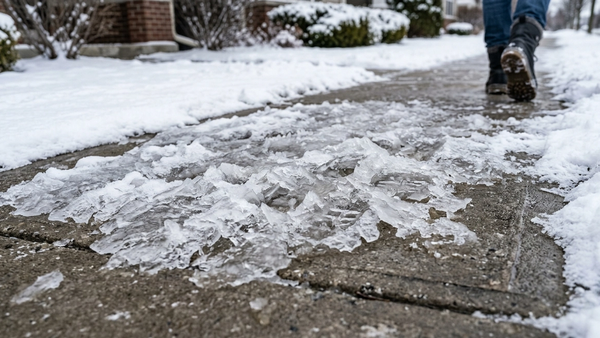
With spilled drinks, food debris, and temporary electrical cables running across walkways, slip and fall accidents are rampant. While some might seem minor, a fall on concrete or from a set of bleachers can result in traumatic brain injuries (TBIs), spinal damage, or broken bones.
Violence and Inadequate Security
When alcohol is served and crowds are large, the potential for altercations increases. Organizers are responsible for providing enough security personnel to deter violence and respond quickly when it occurs. If you are assaulted due to a lack of security presence, the venue may be held liable for negligent security.
Identifying the Responsible Parties
One of the most complex aspects of a public event injury claim is the "multi-defendant" nature of the litigation. Unlike a simple car accident involving two drivers, a festival injury might involve five or six different companies. Identifying every potential defendant is crucial to maximizing your recovery.
Potential defendants often include:
- The Event Promoter: The entity that organized and marketed the event.
- The Venue Owner: The person or company that owns the land or stadium.
- Security Companies: Third-party firms hired to manage crowds and safety.
- Concessionaires and Vendors: Independent businesses selling food, drinks, or merchandise.
- Equipment Suppliers: Companies that provided the stage, sound systems, or seating.
- The Performer/Artist: In rare cases, if the performer incited dangerous behavior in the crowd.
Each of these entities likely carries their own insurance policy. Navigating these layers of coverage requires a detailed investigation into the contracts and agreements made between the parties before the event began. Often, these contracts include "indemnification clauses" where one party agrees to take on the legal liability of another, further complicating the pursuit of justice.
The "Assumption of Risk" Myth and Ticket Waivers
Many injury victims hesitate to take legal action because they believe they "signed away" their rights by purchasing a ticket. If you look at the back of a concert ticket or the terms and conditions of a festival app, you will find extensive language claiming that the organizer is not liable for any injury, including those caused by their own negligence. These are known as exculpatory clauses or liability waivers.
However, these waivers are not always enforceable. Courts often find that:
- The language was too small or hidden to be reasonably noticed.
- The waiver attempts to absolve the company of "gross negligence" or intentional misconduct, which is against public policy in many states.
- The risk that caused the injury was not an inherent or "obvious" risk of the activity.
While you might assume a certain level of risk by attending a rowdy mosh pit (a concept known as "primary assumption of risk"), you do not assume the risk that a heavy speaker rig will fall on your head because it wasn't bolted down properly. Do not let the fine print on a ticket stop you from investigating your options. You should also be aware of settlement myths that might lead you to believe you have no case when you actually do.
Negligent Security and Crowd Management Failures
Security at a public event is not just about stopping fights; it is about managing the physics of a crowd. Professional event planners use sophisticated modeling to ensure that people can move safely between stages and exits. When these systems fail, the results are catastrophic.
Negligent security claims arise when an organizer fails to:
- Hire a sufficient number of guards for the expected crowd size.
- Properly train guards in de-escalation or emergency response.
- Monitor known "choke points" where crowds become dangerously dense.
- Implement a proper communication system between security and medical staff.
In many states, if an event has a history of violence or previous accidents, the organizers are held to an even higher standard because the danger was "foreseeable." If you were injured in a scuffle or a crowd surge, your legal team will look for security logs, internal communications, and video footage to prove that the staff failed to follow industry standards.
Government Immunity: When the Event is on Public Land
Many fairs and festivals take place on city-owned property, such as public parks, town squares, or county fairgrounds. This introduces a significant legal hurdle: sovereign immunity. Historically, government entities could not be sued without their consent. While most states have waived this immunity through "Tort Claims Acts," the rules for suing a city or state are much stricter than suing a private company.
When suing a government entity for a public event injury:
- Shorter Deadlines: You may only have 60 to 90 days to file a formal "Notice of Claim" rather than the typical years-long statute of limitations.
- Damage Caps: Many states limit the amount of money you can recover from a government defendant.
- Specific Procedures: Failure to follow the exact administrative filing process can result in your case being dismissed regardless of its merit.
If your injury occurred on public property, it is vital to consult with a lawyer immediately to ensure you do not miss these critical windows. Understanding the personal injury timeline is especially important when government entities are involved, as their procedural requirements can move differently than private litigation.
Comparative Negligence: What if You Were Partially at Fault?
A common defense strategy used by event organizers is to blame the victim. They may claim you were intoxicated, ignoring posted signs, or engaging in "reckless" behavior like stage diving. This brings the legal doctrine of comparative negligence into play.
In most states, being partially at fault does not bar you from recovery. Instead, your compensation is reduced by your percentage of fault. For example, if a jury determines you were 20% responsible for your fall because you were looking at your phone, but the venue was 80% responsible because of an unmarked hole in the ground, you would still receive 80% of the total damages awarded.
However, some states follow a "modified" rule where you can only recover if you are less than 50% or 51% at fault. If you are worried that your actions contributed to the incident, read our guide on partially responsible for the accident to see how your state's laws might apply to your specific situation.
The Role of Alcohol and Dram Shop Liability
Alcohol sales are a major revenue driver for festivals and concerts. However, with great profit comes great responsibility. Under "Dram Shop" laws, a vendor who serves alcohol to an obviously intoxicated person or a minor can be held liable for injuries caused by that person.
This applies in two ways at public events:
- Direct Liability: A vendor over-serves a guest who then falls and injures themselves.
- Third-Party Liability: A vendor over-serves a guest who then assaults you or causes a crash while driving home.
Proving Dram Shop liability requires evidence that the intoxication was apparent to the server. This often involves testimony from other witnesses or receipts showing an excessive amount of alcohol served in a short period. Because these vendors are often independent contractors, they add another layer of insurance to the claim.
Essential Evidence to Collect After a Festival Injury
Because festivals are temporary, the evidence of negligence can disappear within hours of the event's conclusion. Once the stage is dismantled and the trash is cleared, it becomes much harder to prove a hazardous condition existed. If you are injured, taking swift action is paramount.
You should follow a strict checklist for the first 24 hours, but specifically for public events, you should focus on:
- Photos and Video: Capture the hazard that caused your injury, the surrounding lighting, and any lack of signage.
- Witness Contact Info: Get the names and numbers of people who saw what happened. Do not rely on them to stay in touch; take the initiative.
- Social Media Scouring: Search for hashtags or location tags from the event. Other attendees may have captured your accident or the dangerous condition on their own videos.
- Incident Reports: Request a copy of the report filed by on-site security or medical staff. If they refuse to provide it, make a note of who you spoke to.
- Preserve Clothing: Do not wash the clothes you were wearing; they may contain forensic evidence of a slip-and-fall or a structural failure.
Calculating the Value of Your Event Injury claim
Determining the value of a claim following a public event injury involves more than just adding up medical bills. Because these injuries are often traumatic and occur in high-stress environments, the "non-economic" damages can be substantial.
Key factors in your case value include:
- Economic Damages: Hospital bills, surgery costs, physical therapy, and lost wages (both current and future).
- Non-Economic Damages: Pain and suffering, emotional distress, loss of enjoyment of life, and scarring or disfigurement.
- Punitive Damages: In cases of extreme negligence (e.g., an organizer knowingly ignoring a safety warning), a court may award punitive damages to punish the defendant and deter similar behavior in the future.
To get a better understanding of what your specific claim might be worth, you can use our premises liability calculator to estimate the potential recovery based on your unique circumstances and location.
Dealing with Insurance Companies After a Public Event
Event organizers carry massive liability insurance policies. However, these insurance companies are in the business of protecting their bottom line, not your well-being. They will often deploy adjusters to the scene of a major accident before the victims have even left the hospital.
Be wary of insurance tactics such as:
- The Quick Settlement Offer: They may offer a small sum of money immediately in exchange for a full release of liability. This is almost always far less than what the case is actually worth.
- The Recorded Statement: They will try to get you to admit fault or downplay your injuries on tape.
- Bad Faith Denials: In some cases, insurers may wrongfully deny a claim despite clear evidence of negligence. If this happens, you may need to address insurance claim challenges through further legal action.
Always consult with a legal professional before signing anything or providing a statement to an insurance representative. They are looking for reasons to devalue your claim.
Statutes of Limitations: The Clock is Ticking
Every state has a deadline for filing a personal injury lawsuit, known as the statute of limitations. For most private premises liability cases, this ranges from two to four years. However, as mentioned earlier, if a government entity is involved, your window to act may be significantly shorter.
Waiting too long can result in the permanent loss of your right to seek compensation. Furthermore, as time passes, witnesses move away, memories fade, and physical evidence is lost. The sooner you begin the legal process, the stronger your case will likely be. An early investigation allows your legal team to subpoena security footage before it is overwritten and to interview staff before they are coached by the company’s lawyers.
Why Expert Legal Guidance is Critical
Public event injury cases are some of the most difficult to litigate. They require a deep understanding of local building codes, fire safety regulations, and industry standards for crowd management. They also involve high-stakes negotiations with some of the largest insurance companies in the world.
A senior legal team will perform a "root cause analysis" of your accident. This might involve hiring expert witnesses, such as crowd dynamic specialists or structural engineers, to explain exactly how the organizers failed. Without this level of expertise, it is easy for defendants to shift the blame to one another in a circular game of "finger-pointing" that leaves the victim with nothing.
Take the First Step Toward Justice
If your experience at a concert, fair, or festival was ruined by a preventable injury, you should not have to bear the financial and emotional burden alone. Whether you suffered a slip and fall, a crowd-related injury, or were the victim of inadequate security, the law provides a pathway for you to hold the negligent parties accountable.
By understanding your rights and the complexities of premises liability, you can move forward with confidence. The path to recovery starts with an accurate assessment of what your case is worth. Don't let the insurance companies dictate your future.
Get a free, instant evaluation of your claim's potential value by using our premises liability calculator today. Our tools are designed to help you understand the true value of your case so you can seek the justice you deserve.
Disclaimer: This blog post is for informational purposes only and does not constitute legal advice. For specific legal guidance regarding your situation, please consult with a qualified attorney.