Hyundai SUV Owners Facing Risks from Faulty Power Seats
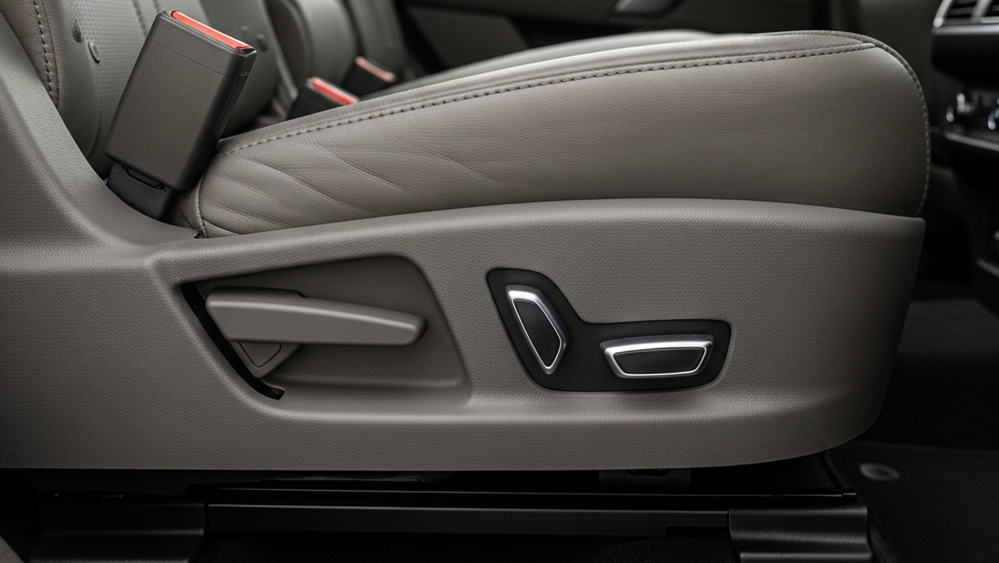
Hyundai has recently announced that the number of injuries linked to a specific SUV rear power seat recall is rising significantly. According to recent reports, the defect involves the mechanism that controls the power-folding rear seats, which may malfunction and cause harm to passengers or those adjusting the interior. This safety concern has prompted federal regulators to monitor the situation closely as more consumers come forward with accounts of physical harm. While the initial recall was intended to address the mechanical failure, the increasing injury reports suggest the problem may be more widespread than originally anticipated. Drivers are being urged to check their vehicle identification numbers (VIN) to see if their specific model is affected by this dangerous defect.
Affected by a Product Liability Issue?
Our specialized tool can help you estimate the potential worth of your case based on current laws and precedents.
Determining Liability in Defective Auto Component Claims
In cases involving automotive recalls, the manufacturer often bears strict liability for any injuries caused by design or manufacturing defects. Legal experts look at whether the rear power seat mechanism was inherently dangerous or if the company failed to provide adequate warnings to consumers once the risk became known. Under product liability law, a claimant does not necessarily need to prove negligence if they can demonstrate that the product was defective and that the defect directly caused their injury. Hyundai may also face scrutiny regarding how quickly they responded to initial reports of malfunctions before issuing a formal recall. Similar to issues seen in the Tesla Autopilot investigation, vehicle manufacturers have a legal duty to ensure all safety-critical components function as intended under normal operating conditions.
How to Protect Your Rights After a Vehicle Seat Injury
If you or a loved one has been injured by a malfunctioning power seat in a Hyundai SUV, your first priority should be seeking comprehensive medical evaluation to document the extent of your injuries. Once you have received treatment, it is vital to keep all records of the incident, including photographs of the defective seat and any correspondence from the manufacturer regarding the recall. You should also check the official NHTSA recall database to confirm your vehicle's status and see if other similar complaints have been filed. Before speaking with insurance adjusters or accepting a settlement offer from the car company, use our free product liability calculator to understand the potential scope of your damages. Following the steps outlined in our guide on faulty safety guards can also help you understand how to preserve evidence for a product liability claim.
Estimating Potential Settlements for SUV Defect Victims
Compensation in a vehicle defect lawsuit typically covers a wide range of economic and non-economic damages, starting with medical bills and the cost of future rehabilitation. Victims may also be eligible to recover lost wages if their injuries prevented them from working, as well as compensation for physical pain and emotional suffering caused by the incident. In some instances, if the manufacturer is found to have been aware of the defect and failed to act, punitive damages may be awarded to punish the company and deter future negligence. The total settlement value is often influenced by the severity of the injury and whether the defect led to a secondary collision, much like the factors discussed in our Cybertruck fatal fire analysis. Each case is unique, and factors such as the state where the injury occurred can significantly impact the final recovery amount.
Product Liability Statutes and Consumer Protection Laws
Lawsuits involving defective vehicle components are governed by state-level product liability statutes and federal safety standards established by the Department of Transportation. These laws often include strict statutes of limitations, which require victims to file their claims within a specific window of time after the injury occurs or is discovered. Furthermore, the Magnuson-Moss Warranty Act provides federal protections for consumers who purchase products with manufacturer defects that aren't properly remediated. Understanding these legal frameworks is essential, as the burden of proof rests on the plaintiff to show that the product was unreasonably dangerous. Expert testimony from automotive engineers is frequently required to explain the mechanical failure to a jury and establish a clear link between the defect and the resulting injuries.
Calculate Your Hyundai Seat Injury Case Value Now
Dealing with a large automotive corporation like Hyundai can be overwhelming, especially when you are trying to recover from a physical injury. You don't have to navigate the complex legal system alone; getting an early estimate of your case value can give you the leverage you need during negotiations. Our specialized tools are designed to help victims understand their rights and the financial compensation they may be entitled to under current laws. Whether your injury occurred during a drive or while the vehicle was parked, our product liability case evaluator provides a quick and easy way to start your journey toward justice. Take the first step today by assessing your situation and ensuring that you are holding the responsible parties accountable for the safety of their vehicles.
Disclaimer: This blog post is for informational purposes only and does not constitute legal advice. For specific legal guidance regarding your situation, please consult with a qualified attorney.