EPA Proposes Relaxing Limits on Cancer-Causing Ethylene Oxide
The Environmental Protection Agency has recently moved to weaken pollution limits on ethylene oxide, a potent and colorless gas used primarily to sterilize medical equipment. According to recent reports, this proposal shifts away from stricter standards previously set to protect communities living near industrial plants. Ethylene oxide is officially classified as a human carcinogen, with long-term exposure linked to increased risks of white blood cell cancers and breast cancer. This regulatory rollback has sparked significant concern among environmental advocates and public health experts who fear a surge in preventable illnesses. The decision highlights a complex tension between industrial operational needs and the fundamental right to clean, safe air for residents in affected zones.
Affected by a Class Action Issue?
Our specialized tool can help you estimate the potential worth of your case based on current laws and precedents.
Determining Accountability for Toxic Chemical Exposure
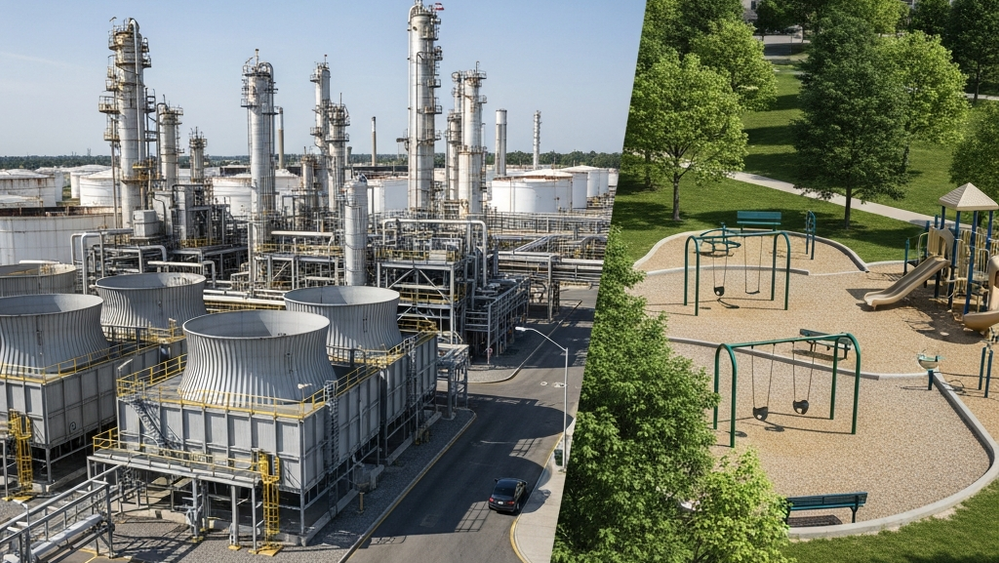
From a legal perspective, liability for ethylene oxide exposure often rests on the industrial facilities that emit the gas and the manufacturers who fail to implement available scrubbing technologies. Even if the EPA weakens federal limits, companies still have a duty of care to prevent foreseeable harm to neighboring communities under state tort laws. Plaintiffs may argue that companies were negligent in their emissions monitoring or that they knowingly released dangerous levels of toxins despite being aware of the health risks. In many cases, these facilities are located near residential neighborhoods, creating potential cancer clusters that justify rigorous legal investigation. Determining fault requires complex air modeling and medical evidence to link specific facility emissions directly to individual health diagnoses.
How to Protect Your Health and Legal Interests
If you live near a facility that uses ethylene oxide, your first priority should be seeking a comprehensive medical evaluation to document any health changes. It is crucial to maintain detailed records of your residency history and any medical treatments related to respiratory issues or cancer diagnoses. You should also stay informed about local air quality reports provided by the Environmental Protection Agency (EPA) and local health departments. To understand the potential scope of a legal claim, you can use our free case calculator to estimate your potential recovery. Additionally, researching how class action settlement amounts are calculated can provide clarity on what to expect during a multi-party toxic tort lawsuit.
Potential Damages and Settlement Ranges in Toxic Torts
Compensation in ethylene oxide cases can be substantial, often covering a wide range of economic and non-economic damages. Victims may be entitled to recover costs for past and future medical expenses, lost wages due to inability to work, and specialized treatments like chemotherapy or radiation. Beyond financial losses, settlements frequently account for pain and suffering, emotional distress, and the diminished quality of life associated with chronic illness. In tragic instances involving fatalities, families may seek recovery through wrongful death claims to address funeral costs and loss of companionship. Similar to how Syngenta halted Paraquat production amid mounting litigation, companies dealing with ethylene oxide may face massive liabilities for long-term health impacts.
Federal and State Laws Governing Chemical Emissions
The legal landscape for chemical exposure is governed by a mix of federal statutes like the Clean Air Act and state-specific personal injury laws. While the EPA sets national standards, individual states often have the authority to implement stricter regulations to protect their citizens from hazardous air pollutants. It is also important to consider the statutes of limitations which dictate the timeframe in which a victim must file a lawsuit after discovering an injury. For those working in industrial settings, OSHA safety standards provide additional layers of protection and potential avenues for claims if workplace safety was compromised. Understanding these intersecting regulations is essential for building a robust case against large industrial corporations that prioritize profits over public safety.
Take the First Step Toward Securing Your Future
Navigating a toxic exposure claim against a major industrial entity requires significant resources and specialized legal knowledge. If you or a loved one has been diagnosed with cancer and suspect it may be related to ethylene oxide emissions, you do not have to face the legal system alone. Our team provides the tools necessary to evaluate your claim and hold negligent parties accountable for the harm they have caused. We encourage you to use our comprehensive case evaluator to get an immediate estimate of what your claim might be worth. Whether you are seeking justice for yourself or your community, taking action now is the best way to ensure your rights are protected and your voice is heard.
Disclaimer: This blog post is for informational purposes only and does not constitute legal advice. For specific legal guidance regarding your situation, please consult with a qualified attorney.