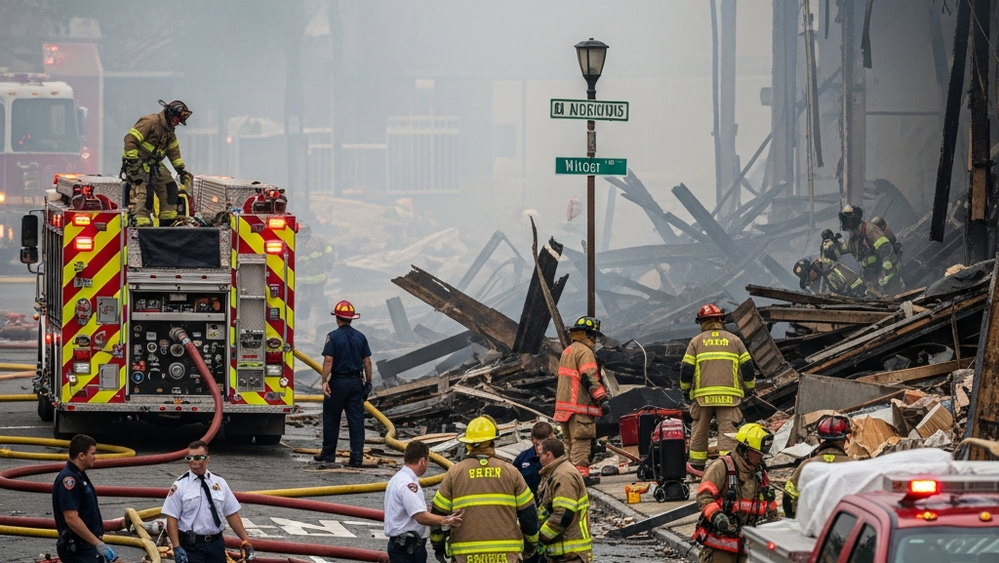
Tragic Explosion and Fire Devastate Pennsylvania Nursing Home
A horrific incident unfolded in Bristol, Pennsylvania, where a sudden explosion and subsequent fire tore through a nursing home facility, claiming at least two lives. According to recent reports, emergency responders are still searching for missing residents as investigators work to determine the cause of the blast. The sheer scale of the destruction has left families in shock and the local community mourning the loss of vulnerable elderly residents. While the investigation is in its early stages, the focus remains on whether the facility complied with fire safety standards and gas line maintenance. This event highlights the critical importance of safety protocols in long-term care environments where residents often have limited mobility and require specialized evacuation assistance.
Affected by a Wrongful Death Issue?
Our specialized tool can help you estimate the potential worth of your case based on current laws and precedents.
Identifying Responsible Parties in Facility Catastrophes
When a disaster of this magnitude occurs, legal liability often rests on the facility owners and operators for failing to maintain a safe environment. Potential defendants might include the property management company, utility providers if gas leaks were involved, or maintenance contractors who serviced the building’s heating systems. From a legal standpoint, premises liability dictates that nursing homes owe a high duty of care to their residents, who are particularly susceptible to harm. If evidence reveals that fire alarms failed to trigger or that known gas issues were ignored, the facility could face significant negligence claims. Establishing a clear chain of responsibility is the first step in ensuring that survivors and grieving families receive the justice they deserve after such a preventable tragedy.
Vital Steps for Families Affected by a Nursing Home Tragedy
If your loved one was involved in a nursing home accident, the first priority is ensuring they receive immediate medical attention and are relocated to a secure environment. Documentation is crucial; you should keep records of all communications with the facility, medical reports, and any photographs of the scene if they are accessible. It is also important to avoid making recorded statements to the facility's legal team or insurance representatives without counsel. To better understand how to navigate these conversations and avoid common pitfalls, you might find it helpful to review our guide on dealing with insurance adjusters. Consulting with an experienced attorney early can help preserve evidence and protect your right to fair compensation before the statute of limitations expires.
Understanding Compensation for Wrongful Death and Injuries
Families pursuing legal action after a fatal nursing home event may be entitled to various forms of compensation, including wrongful death benefits and survival action damages. This often covers medical expenses incurred prior to death, funeral and burial costs, and the loss of companionship or emotional support. For survivors who suffered non-fatal injuries, damages may include long-term medical care, pain and suffering, and psychological trauma. Estimating the value of such a claim involves analyzing the degree of negligence and the specific impact on the victim's quality of life. While every case is unique, seeking a pedestrian accident settlements guide or similar resource can offer insight into how general personal injury damages are calculated in complex litigation involving high-duty-of-care environments.
Pennsylvania Premises Liability and Safety Regulations
In Pennsylvania, nursing homes are governed by strict state and federal regulations designed to protect elderly residents from preventable harm. These laws require regular safety inspections, functional fire suppression systems, and comprehensive emergency evacuation plans that must be updated regularly. Under premises liability law, victims must prove that the facility had notice of a dangerous condition or that the condition was foreseeable. Additionally, the statute of limitations in Pennsylvania generally provides a two-year window to file a personal injury or wrongful death lawsuit. Navigating these legal complexities requires an understanding of both administrative safety codes and civil litigation procedures. Failure to adhere to these strict timelines or regulatory requirements can result in the loss of your right to seek legal recourse for the damages sustained.
Determine the Value of Your Nursing Home Injury Claim
If your family has been impacted by the devastating events in Bristol or a similar facility incident, you do not have to navigate the legal aftermath alone. Our team is dedicated to helping victims understand their rights and the potential value of their legal claims during such difficult times. We provide a comprehensive evaluation process that takes into account the specifics of your situation and the extent of the damages sustained by your loved ones. By using our free case evaluator, you can get a clearer picture of your options and take the first step toward holding negligent parties accountable. Don't wait to seek the support you need; let us help you pursue the justice and compensation your family deserves today.
Disclaimer: This blog post is for informational purposes only and does not constitute legal advice. For specific legal guidance regarding your situation, please consult with a qualified attorney.